
Subject: DBPR Arbitration Failure & Construction Defect Evidence – Once Notice Is Given, Silence Does Not Negate Notice
To: All Recipients – Federal/State Authorities, Media, Financial Institutions, HOA Advocacy Groups
From: Shawn Martin, MBA
Owner & Whistleblower @ Omega Villas Condo Association
www.HOAJusticeNow.com
RE: Omega Villas DBPR Case No. 2025-06-1476 – Post-Arbitration Evidence Disclosure
Purpose of This Advisement
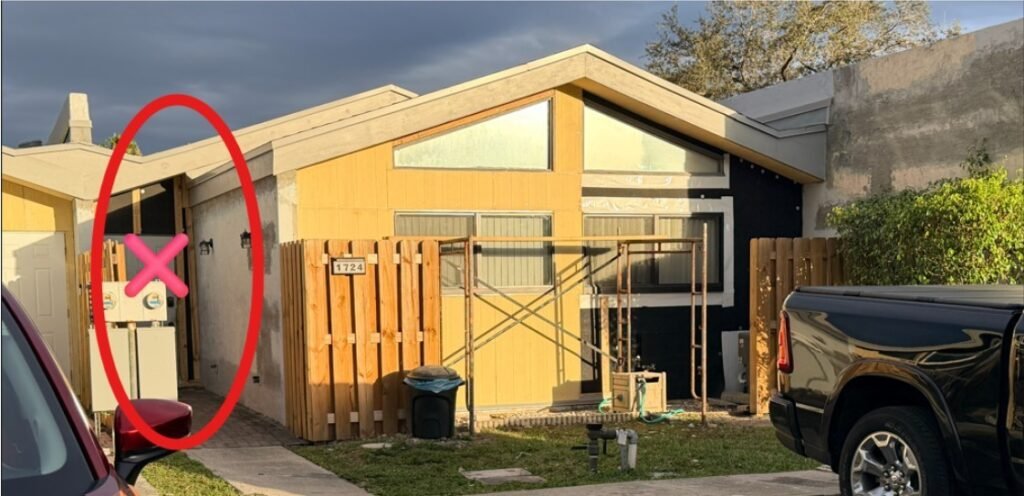
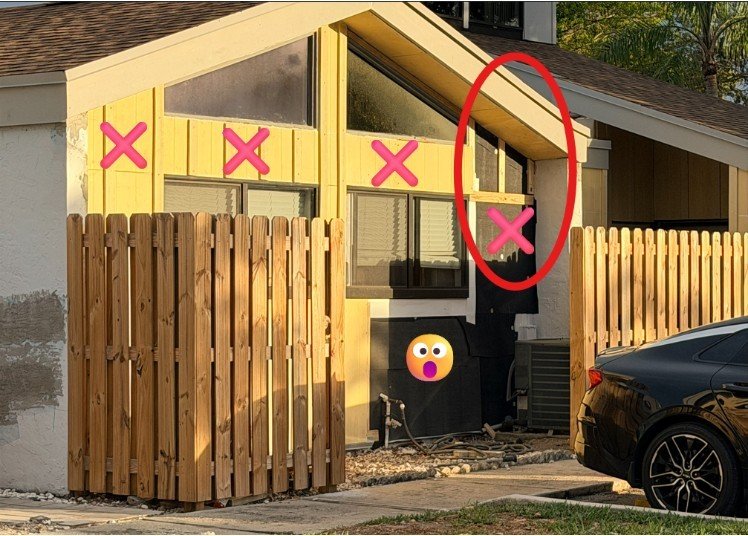
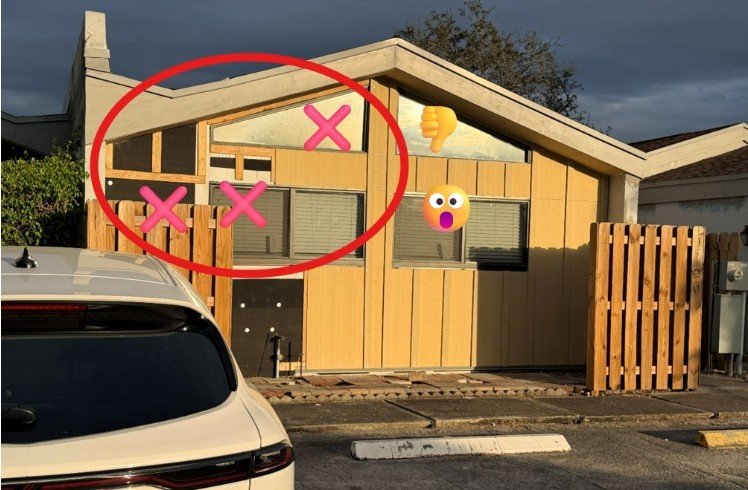
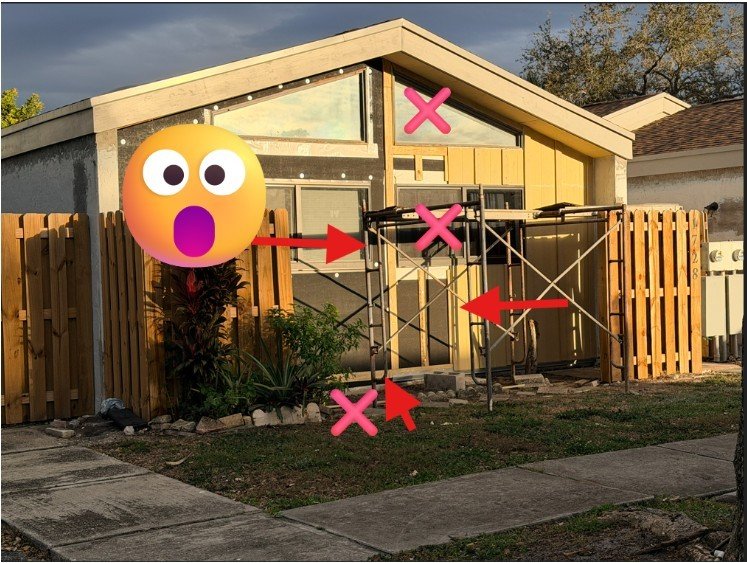
This message serves as formal notice and record preservation regarding newly obtained photographic evidence documenting construction conditions observed during the final phase of work at Omega Villas Condominium Association.
The attached photographs depict installation practices that raise material questions regarding:
- Construction methodology and building science compliance
- Representations made during arbitration proceedings
- Financial assessment justifications
- Long-term durability and maintenance implications
- Certification readiness claims
These conditions appear NOT addressed, examined, or resolved through the DBPR arbitration process.
What the Photographs Show
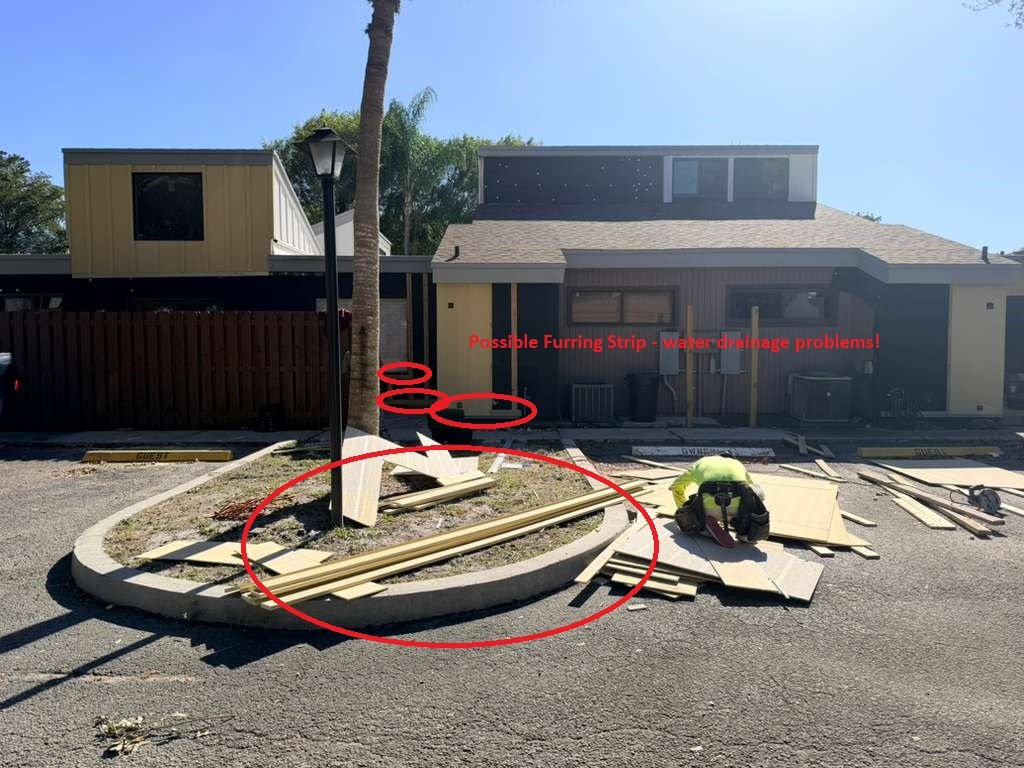
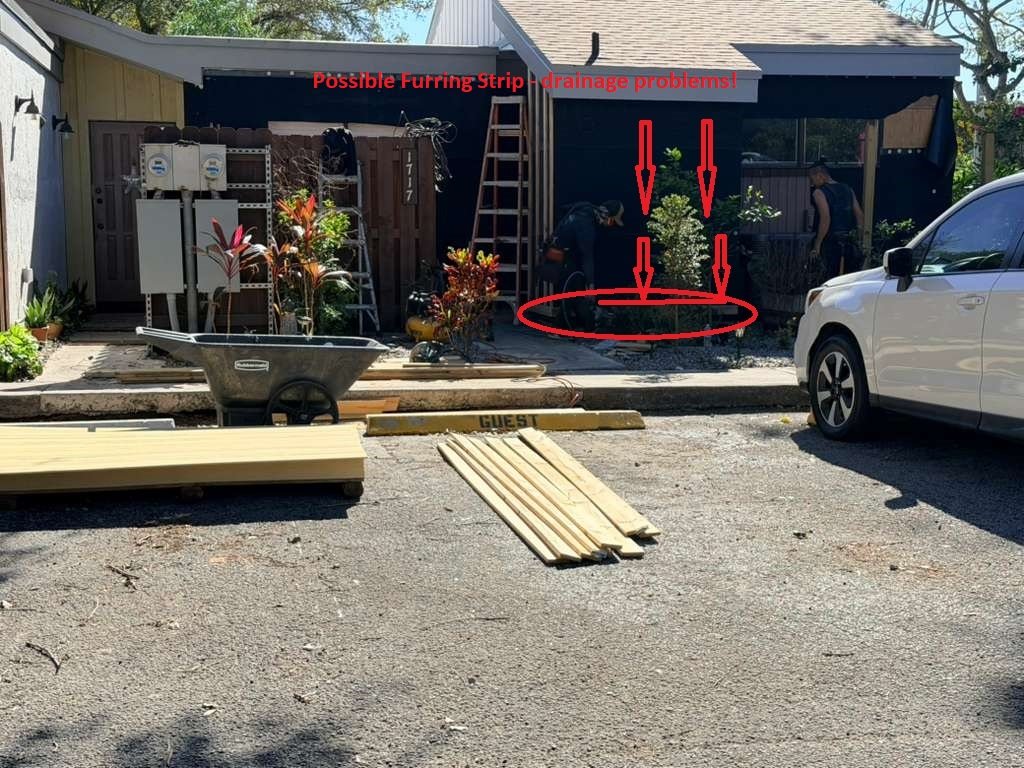
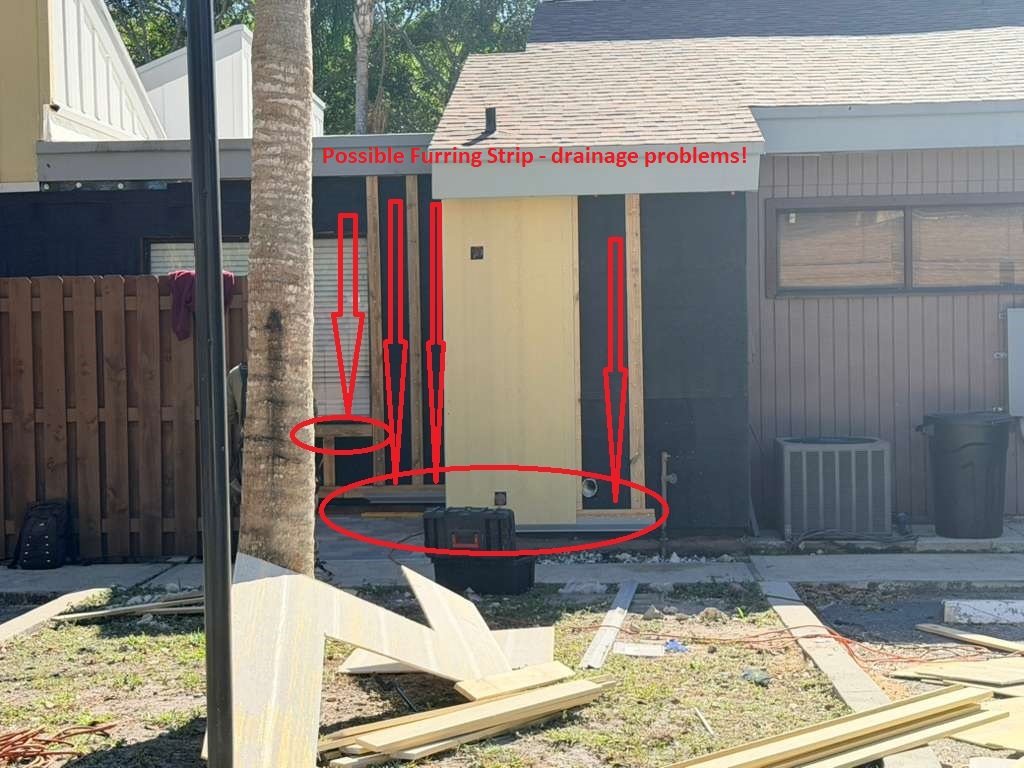
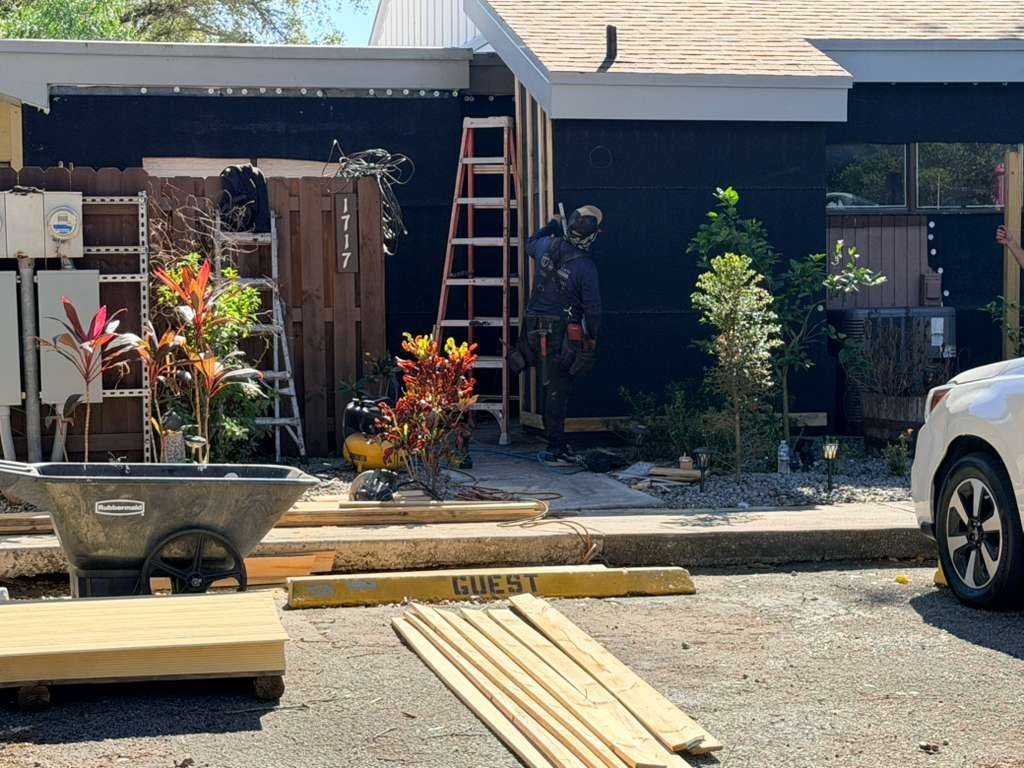
The attached images document the installation of horizontal bottom furring strips in wall assemblies currently subject to:
- Active construction completion
- 40-year recertification requirements
- Financial assessment demands on unit owners
- Claims of code compliance and engineering approval
Location: Various buildings across Phases 1-3 Subdivisions during 2024-2026 construction
Context: These furring strip installations were:
- Not listed in the original contract scope for wall composition
- Discovered by owners during 2nd floor construction in 2024-25
- Construction siding materials & window options NEVER voted on by owners despite being material alterations
- Used alleged building code changes to walls (1.5 inches thicker) as justification for mandatory window replacements
- Subject of possible attorney misrepresentation (June 25, 2025 Hollander letter {Link1 & Link2 (NOA support)}claiming NOA “requires” them)
Why This Matters: Building Science Perspective
Independent Professional Commentary
For context on why horizontal furring strip installation raises concerns, recipients are referred to a publicly available educational video by a licensed architect and building science professional explaining moisture management principles:
Video: “Rain Screen Dos and Don’ts” aka Furring Strip Systems
Source: ProTradeCraft (Professional Construction Education)
Link: https://www.protradecraft.com/construction-phase/building-envelope/video/55266862/rain-screen-dos-and-donts
Key Building Science Principles Explained in Video:
1. Drainage and Drying Are Critical to Wall System Performance
- Water that enters wall assemblies must exit quickly
- Prolonged moisture contact with wood components increases deterioration risk
- Wall systems must prioritize drying potential over moisture retention
2. Horizontal Furring Strips Can Create Moisture Traps
- When installed horizontally (parallel to ground), water can be held by surface tension
- Creates potential “reservoirs” where water accumulates rather than drains
- Wood assemblies that retain moisture have reduced drying potential
3. Closely Spaced Furring Members Increase Wetting Risk
- Ganged or tightly spaced horizontal members can trap water between components
- Small gaps become retention zones rather than drainage paths
- Moisture held against wood increases long-term durability concerns
4. Best Practice Emphasizes Quick Water Exit
- Incidental water should drain freely from assemblies
- Vertical orientation typically allows gravity-assisted drainage
- Horizontal elements should not impede downward water movement
Application to Omega Villas Conditions:
The photographs show horizontal bottom furring strips installed across the base of wall assemblies.
Questions raised by building science principles:
- How does water drain past horizontal bottom members?
- Are drainage gaps sufficient to prevent moisture retention?
- Was this configuration reviewed by building science professionals?
- What long-term maintenance implications exist?
- Were alternative drainage-friendly configurations considered?
This reference is provided for general educational and risk-awareness purposes only. It is not offered as a legal conclusion or project-specific determination. It is included to ensure recipients understand why horizontal furring strip configurations warrant careful scrutiny in modern building science.
Context: Why This Evidence Emerges Now
The DBPR Arbitration Did Not Address Construction Quality
DBPR Case No. 2025-06-1476 resulted in a Summary Final Order that:
- ✅ Addressed narrow procedural window inspection issue
- ❌ Potentially Did NOT examine construction practices or methodologies
- ❌ Potentially Did NOT evaluate furring strip installation appropriateness
- ❌ Potentially Did NOT assess drainage design or moisture management
- ❌ Potentially Did NOT review engineering approval process
- ❌ Potentially Did NOT consider financial timing or assessment justifications
- ❌ Potentially Did NOT examine material alteration vote requirements
- ❌ Potentially Did NOT address possible attorney misrepresentations in June 25, 2025 letter
The arbitration outcome does NOT validate, endorse, or resolve questions about:
- Construction quality
- Building science compliance
- Long-term durability
- Financial representations
- Disclosure obligations to owners or third parties
The Furring Strip Timeline: From Hidden to Exposed
How We Got Here:
2024 – The Discovery:
- Owners discover furring strips during 2nd floor wall construction
- Furring strips were NOT in contract scope for wall composition
- No owner vote held despite material alteration to building envelope
- Installation created 3/4″ – 1.5″ wall thickness increase
2024-2025 – The Justification:
- Wall thickness used to justify mandatory window replacements
- Board claims windows “non-compliant” due to flange misalignment
- Owners never told furring strips CAUSED the alignment problem
January 14, 2025 – The False Narrative:
- Board minutes claim “code changes” required 1.5 inches thicker walls
- Reality: Building code did NOT change for wall thickness
- Reality: Furring strips (not code) caused thickness increase
June 25, 2025 – The Attorney Possible Misrepresentation:
- Attorney Hollander claims NOA “requires” furring strips
- Reality: NOA states furring strips “MAY” be used (permissive) – two NOA plans approved – one plan with furring strips included and one plan that does NOT include furring strips)
- Reality: NOA explicitly allows “alternative” systems designed by engineer
- Potential misrepresentation provided legal cover for unauthorized work
January 2026 – The Physical Evidence:
- Final phase construction reveals horizontal bottom furring strip installation
- Building science concerns about drainage and moisture management
- Questions about long-term performance and durability
- No evidence these concerns were addressed in design or approval process
Why Institutional Recipients Must Take Notice
Once Notice Is Provided, Continued Reliance on Incomplete Representations Becomes Institutional Responsibility
For Regulatory and Oversight Agencies:
- You are now on actual notice of documented construction conditions
- Arbitration closure does NOT resolve building science or financial concerns
- Material questions exist about representations, approvals, and compliance
For Financial Institutions and Insurers:
- Construction methodology questions may affect long-term property value
- Moisture management concerns have insurance and liability implications
- Assessment justifications based on these installations warrant review
- FHA loan exposure may exist if construction practices are questioned
For Municipal and Certification Stakeholders:
- 40-year recertification involves these wall assemblies
- Building envelope performance affects certification validity
- Drainage and moisture management are core building code concerns
- City of Plantation Building Department involvement in approvals
For Media and Public Accountability Organizations:
- Photographic evidence documents what was hidden from owners
- Pattern of non-disclosure continues through construction completion
- Financial burden on 128 families based on undisclosed installation methods
- Oversight system failure allowed unauthorized work to proceed
The DBPR System Failed This Community
What DBPR Arbitration Could Have Examined But Didn’t:
Construction Quality Review:
- Appropriateness of furring strip installation methodology
- Drainage design and moisture management considerations
- Engineering approval process and documentation
- Compliance with building science best practices
Financial Timing and Justification:
- Whether assessments based on these installations are properly authorized
- Whether owners were given material information about construction methods
- Whether cheaper or more appropriate alternatives were concealed
Material Alteration Vote Requirements:
- Whether furring strips constitute material alteration requiring owner vote
- Whether Board operated outside its authority
- Whether owners’ statutory rights were violated
AttorneyPossible Misrepresentation:
- June 25, 2025 Hollander letter potentially misrepresenting NOA requirements
- Coordination of potential false narratives to justify unauthorized work
- Potential professional misconduct enabling construction without proper authorization
DBPR arbitration addressed NONE of these issues.
The Summary Final Order resolved a narrow procedural dispute while leaving substantive construction, financial, and governance concerns unexamined.
This Is Why Administrative Review Has Limits
DBPR arbitration cannot:
- Validate construction quality or building science compliance
- Resolve engineering professional responsibility questions
- Determine attorney misconduct or misrepresentation
- Address potential fraud or coordinated schemes
- Examine long-term financial impacts on owners
- Review systemic governance failures spanning 18+ years
These issues require:
- Building science expert review
- Engineering professional evaluation
- Attorney disciplinary proceedings
- Criminal fraud investigation (if warranted)
- Civil litigation for financial recovery
- Legislative reform to prevent recurrence
Administrative arbitration was never designed to address what appears to be a coordinated, multi-year scheme involving vote evasion, cost inflation, professional misrepresentation, and construction methodology concerns.
Record Preservation and Institutional Notice
This Communication Is Intended To:
1. Preserve the Record
- These conditions have been formally disclosed to all relevant parties
- Photographic evidence is date-stamped and preserved
- Independent building science educational resources provided for context
2. Ensure Transparency
- Owners, authorities, lenders, and insurers have equal access to evidence
- Final construction and certification phase documented in real-time
- No party can claim lack of notice regarding these conditions
3. Enable Independent Review
- Recipients can take whatever action or review they deem appropriate
- Building science professionals can evaluate installation methodology
- Financial institutions can assess property value and loan implications
- Oversight authorities can determine if further investigation warranted
4. Establish Institutional Responsibility
- Once notice is given, silence does not negate notice
- Continued reliance on incomplete representations becomes knowing reliance
- Institutions cannot claim ignorance of documented conditions
What Happens Next
For Omega Villas Owners:
You are paying for construction that includes installation methods that raise building science concerns about:
- Long-term moisture management
- Durability and maintenance costs
- Potential for accelerated deterioration
- Insurance and liability implications
The HOA owners were never:
- Told furring strips would be installed
- Given opportunity to vote on material alteration
- Shown building science analysis of installation method
- Offered alternative construction approaches
- Informed of long-term maintenance implications
You now have:
- Photographic evidence of installation conditions
- Independent building science educational resources
- Documentation that these concerns were never addressed in arbitration
- Record that all relevant institutions have been notified
For Oversight Authorities:
The pattern is documented:
- Construction installed without owner authorization
- Installation method raises building science concerns
- Attorney provided potential false legal justification (NOA potential misrepresentation)
- Board manufactured potential false “code changes” narrative
- Financial assessments based on undisclosed and questionable installations
- DBPR arbitration potentially failed to examine substantive issues
The question is no longer “did this happen?”
The question is: “What are you going to do about it?”
For Financial Institutions:
Your collateral includes wall assemblies with:
- Furring strip installations that may affect long-term performance
- Moisture management questions documented by building science professionals
- Construction methods that were not disclosed to owners
- Financial assessments based on installations that raise durability concerns
Your exposure includes:
- FHA loans on properties with questioned construction
- Potential property value impacts from long-term performance issues
- Insurance implications if moisture-related claims arise
- Reputational risk if systematic construction concerns emerge
You have been formally notified.
The Bigger Picture: Why Reform Is Needed
This case demonstrates why HOA/condo oversight reform is critical:
Current Potential System Failures:
1. DBPR Arbitration Is Too Narrow, in my opinion:
- Cannot examine construction quality
- Cannot address coordinated schemes
- Cannot review professional misconduct comprehensively
- Leaves substantive issues unresolved
2. Owner Voting Rights Are Not Protected
- Material alterations proceed without votes
- Oversight agencies don’t enforce requirements
- Boards operate with impunity
- Attorneys provide cover for violations
3. Construction Oversight Is Inadequate
- Undisclosed installations proceed
- Building science concerns ignored
- Long-term implications not considered
- Owners pay for questionable methods
4. Professional Accountability Is Lacking
- Engineers change opinions without explanation
- Attorneys potential misrepresent legal requirements
- Contractors deviate from contract scope
- No consequences for coordination
5. Financial Extraction Is Enabled
- Unauthorized assessments proceed
- Cheaper alternatives concealed
- Manufactured crises justify costs
- Owners have no recourse
This pattern exists in communities across Florida and nationwide.
Omega Villas is not unique. It’s just well-documented.
Closing Statement
Once material conditions are disclosed, silence does not negate notice.
Every recipient of this communication is now on formal notice of:
- Photographic evidence of horizontal furring strip installation
- Building science concerns about moisture management and drainage
- Pattern of non-disclosure and vote evasion
- Potential Attorney misrepresentation of NOA requirements
- DBPR arbitration’s failure to examine substantive issues
- 18+ years of systematic governance failures
What you do with this notice is your institutional responsibility.
Additional documentation will be provided as it becomes available.
Respectfully,
Shawn Martin, MBA
Cancer Survivor | Homeowner Since 2007 | Elected Board Member | Whistleblower
Omega Villas Condominium Association
📁 Complete Evidence Archive:
www.HOAJusticeNow.com
Key Exhibits Referenced:
- Furring Strip Photographic Evidence (NEW – January 2026)
- Building Science Educational Video (ProTradeCraft)
- June 25, 2025 Hollander Potential NOA Misrepresentation Letter
- January 14, 2025 Board Minutes (False “Code Changes” Claim)
- DBPR Arbitration Summary Final Order (Case No. 2025-06-1476)
- 18+ Years Board Minutes Compilation
- Complete Timeline: Furring Strips Discovery to Present
- Watchdog Email dated February 12, 2026
- Building Science Video Reference Link
- DBPR Summary Final Order
- Attorney Hollander June 25, 2025 Letter
- January 14, 2025 Board Minutes Excerpt
- Horizontal Furring Strip Installation Photographs (Multiple Locations):
Phase 1 Subdivision Photos:
Phase 2 Subdivision Photos:
P.S. — To Building Science Professionals, Engineers, and Construction Experts:
If you review the attached photographs and have professional concerns about the installation methodology, drainage design, or long-term performance implications, your independent expert opinion would be valuable for:
- Owner awareness and informed decision-making
- Regulatory review and oversight
- Financial institution risk assessment
- Public accountability and transparency
Contact: www.HOAJusticeNow.com
Recipients previously blocked from communications are included via alternative distribution to ensure preservation of record and notice.
Once notice is given, institutional responsibility begins.
END OF ADVISEMENT