
Attachments:
Month: March 2026
-
🚨 🚨Watchdog Update December 5, 2025·- EXCLUSIVE Investigative Report · Construction Fraud Allegations
They Knew the Law — and Built Anyway
Board minutes spanning 12 years show Omega Villas leadership repeatedly acknowledged a mandatory 2/3 owner vote for siding and window changes. The vote appears never held. The work proceeded. The bills are now coming due.
For over a decade, the board of Omega Villas Condominium Association in Plantation, Florida documented in its own minutes that replacing siding and windows required approval from at least two-thirds of unit owners. That vote appears to have never happened. Construction did.
What has emerged from a comprehensive review of board minutes, engineering reports, contractor communications, and DBPR filings is a detailed paper trail showing that leadership — along with its attorneys, management firms, and construction contractors — may have systematically circumvented state condominium law while steering a community of 128 families toward the most expensive material options available.
The evidence covers the period from 2011 through 2025. It does not rely on hearsay. It relies on the association’s own records.
They cannot seek enforcement or arbitration rulings against me while simultaneously violating the same statutes they claim to uphold.
A 12-Year Paper Trail
The core allegation is straightforward: Florida Statute 718.113 requires a supermajority owner vote before a condominium association can make material alterations to common elements. Siding and windows — the exterior building envelope — qualify.
Board minutes from three separate periods confirm the association knew this:
2011–12
Minutes explicitly acknowledge that replacing T-111 siding with stucco and installing hurricane-impact windows each require approval from 75% of homeowners. Architects, attorneys, and the management company are all present when this is recorded.
2018–19
During the 40-year recertification process, the association’s own engineer states that the windows only need caulking. The same meetings discuss material options and confirm owner-vote requirements for exterior changes. Within months, the board directs management to begin pricing hurricane-impact windows.
2023
At the March 21, 2023 board meeting, trellises, window banding, and T-111 replacement are each listed as items requiring unit owner votes for material change approval. The notation is written into the official minutes. Construction began in February 2024 — without a recorded vote.
2024–25
During active construction, furring strips not included in the contract are installed, allegedly creating window flange misalignment. This misalignment is then cited as the technical justification for mandatory full window replacement.
$4.85M+
Construction contracts in question
$1.3M
City of Plantation fines due to unlicensed work without permits in 2008
12 yrs
Paper trail of known vote requirements
The Materials Choice No One Voted On
Owners were never presented with a side-by-side cost comparison for siding options. Engineering and architectural records reveal at least three viable alternatives existed:
Stucco, the least expensive and most durable option at $7–$10 per square foot, was code-compliant and termite-resistant. T-111 wood siding ran $12–$14 per square foot. The board ultimately chose Hardie board, the most expensive option at $14–$16 or more per square foot, with higher installation costs due to its weight.
No vote appears to have been held to authorize this selection. No documented rationale explains why the cheapest compliant option was passed over. Owners allege the cost differential across the 128-unit complex could represent hundreds of thousands of dollars — potentially more.
From the record — August 15, 2011 board minutes
“Replacing T-111 with stucco would require approval from 75% of the homeowners. Installing hurricane impact windows would also require approval from 75% of the homeowners.”
The Special Assessment That Wasn’t
On November 30, 2025, a “Notice of Special Assessment” was posted at community mailboxes and distributed to some — but not all — unit owners. The notice was sent under the letterhead of Your Management Services, the association’s management company, rather than by the board or its attorney.
Under Florida Statute 718, a special assessment of this magnitude requires a properly noticed board meeting, transparent financial disclosures, and a legitimate owner vote. None of these steps are documented as having occurred prior to the notice being posted.
Florida law prohibits a licensed Community Association Manager from unilaterally authorizing or issuing a special assessment. That authority rests with the board.
Alleged Statutory Violations
- F.S. 718.112(2)(c) — Failure to hold a properly noticed board meeting before proposing a special assessment
- F.S. 718.112(2)(e) — Failure to provide required 14-day mailed and posted meeting notice
- F.S. 718.113 — Material alterations made without the required 2/3 unit owner vote
- F.S. 718.111(12) — Withholding records and failing to document votes and approvals
- F.S. 718.111(1)(a) — Breach of fiduciary duty in issuing an assessment without authority
- F.S. 468.436(2) — CAM licensing violations for issuing assessment without legal authority or board action
What Is Being Requested
The whistleblower filing is calling for:
1. An immediate DBPR investigation into the special assessment, the construction contracts, and the vote records (or absence thereof) from 2011 to present.
2. A Florida Bar review of the role played by association counsel in drafting and enforcing construction contracts that may bypass statutory owner-approval requirements.
3. Federal review — including under the Fair Housing Act — given the presence of FHA-financed units, elderly residents, and individuals with documented disabilities in the community.
4. State and federal audit of the $4.85M+ construction project, including review of contractor billing, change orders, and scope deviations such as the unauthorized furring strips.
Full evidence archive publicly available
Board minutes (2005–2023), engineering correspondence, arbitration filings, video documentation of board meetings, and contractor records are compiled at:www.HOAJusticeNow.com
Attachments:
Shawn Martin, MBA · Owner, Director & Whistleblower, Omega Villas Condominium Association · Plantation, FL
DBPR Arbitration Case No. 2025-06-1476 is active.
A hearing was scheduled December 16, 2025.
This report is based on official board minutes, engineering records, and publicly filed documents. All assertions represent the opinion and analysis of the author. -
🚨 🚨 Watchdog Update February 12, 2026: New Construction Evidence & Suspicious Budget Re-Vote Timing at Omega Villas
New photographic evidence has been obtained documenting ongoing furring strip installation at Omega Villas — and the Board is simultaneously pushing a re-vote on the previously rejected 2026 budget. The timing raises serious questions.
New Construction Evidence: Furring Strips Still Going In
Since the issuance of the DBPR Summary Final Order, fresh photographic documentation has been obtained capturing the installation of horizontal wood furring strips as part of active construction work in Phase 2.
These aren’t minor cosmetic details. The documented conditions raise significant concerns across multiple dimensions:
- Moisture retention — horizontal furring strip configurations can trap water against wall assemblies rather than allowing it to drain
- Long-term durability — wall assembly integrity may be compromised by drainage pathway issues
- Risk allocation — the financial and legal exposure created by these conditions affects owners, insurers, lenders, and future purchasers alike
Independent building science professionals have publicly documented why certain furring strip configurations are closely scrutinized precisely because of moisture and drying considerations. This is not a fringe concern — it is a documented building science issue with real long-term consequences for 128 families.
This evidence is being circulated contemporaneously — meaning no regulatory body, financial institution, or oversight agency can later claim they were unaware of active construction conditions while unresolved governance and financial disputes remained open.
The Budget Re-Vote: Suspicious Timing
While new construction evidence is being documented in real time, the Board is moving forward with another vote on the 2026 budget — the same budget that was not approved in the prior round.
Consider what is happening simultaneously:
- Construction-related concerns remain actively unresolved
- Regulatory oversight has been deferred rather than meaningfully exercised
- The DBPR Summary Final Order has been issued but underlying issues persist
- Owners are being asked to fund ongoing work under disputed conditions
- New physical evidence of potentially problematic construction practices is emerging
Pushing renewed financial approvals while material construction and governance questions remain open is not routine HOA administration. It raises direct fiduciary and transparency concerns that independent oversight bodies should be examining closely.
The question that demands an answer is simple: why is the Board rushing a budget re-vote while furring strip installation continues and construction disputes remain unresolved?
Why This Notice Matters Legally
This update was sent to an extensive distribution list including state and federal oversight bodies, financial institutions, insurers, media organizations, and HOA reform networks for a specific reason.
As Martin stated directly:
“No party can later claim lack of awareness of ongoing construction conditions now documented, the timing of financial pressure relative to unresolved issues, or the existence of contemporaneous evidence circulated prior to any new budget vote.”
This is deliberate legal documentation strategy. By circulating evidence to all relevant parties in real time — before the budget vote proceeds — the record establishes that:
- Oversight agencies were notified and chose inaction
- Financial institutions were warned of ongoing risk conditions
- The Board proceeded with full awareness of documented disputes
- Any subsequent harm to owners occurred with prior notice on record
Silence and inaction in the face of this documentation will itself become part of the evidentiary record.
The Bigger Pattern
This update doesn’t exist in isolation. It is the latest chapter in a documented sequence:
- Furring strips installed outside original contract scope
- Wall thickness increased without owner vote
- Window replacement mandate created by Board’s own construction decisions
- City fines approaching $1 million hidden from owners
- Eight DBPR complaints closed without meaningful action
- Budget pushed through under disputed conditions
- Cancer patient and whistleblower fighting in court while treatment continues
Each new development reinforces the same core conclusion: this Board operates as though accountability doesn’t apply to them.
The photographic evidence says otherwise.
What Happens Next
Construction documentation continues in real time at www.HOAJusticeNow.com. Further updates will follow as the budget re-vote proceeds and construction conditions evolve.
Every photograph. Every timestamp. Every unanswered notice.
All of it on the record.
Full documentation available at: www.HOAJusticeNow.com
Cross-References: Case Files – see Exhibit T, Exhibit T2, Exhibit Q, Exhibit O, 2026 Budget Study, State Escalation Timeline, DBPR Summary Final Order, Bank Accountability & Intervention Blueprint
Emails:
-
🚨 🚨Watchdog Update March 9, 2026 – Cancer, Bankruptcy & A Trial De Novo: The Human Cost of 18 Years of HOA Misconduct
When a whistleblower is forced to file bankruptcy and fight a court case while undergoing cancer treatment — all to protect his rights against his own HOA — something has gone deeply wrong.
That is exactly where Omega Villas Condominium Association whistleblower Shawn Martin finds himself in March 2026.
Eighteen Years. Still No Accountability.
Martin’s dispute with the Omega Villas Board didn’t start last year. It started nearly two decades ago — with documented enforcement inconsistencies, alleged material alterations conducted without required owner approval, and persistent financial transparency failures.
Multiple formal complaints were filed with regulatory authorities over those eighteen years. The result? Limited corrective action across the board.
The system designed to protect condominium owners failed — repeatedly and documentably.
The Human Cost Nobody Talks About
In the middle of prolonged litigation, enforcement disputes, and financial pressure campaigns, Martin was diagnosed with cancer.
He is currently undergoing active treatment.
He is also simultaneously:
- Fighting a Trial De Novo in court
- Managing a Chapter 7 bankruptcy filing
- Continuing to document and escalate HOA misconduct
- Advocating for 128 fellow owners
As Martin stated directly in his March 9 communication to oversight authorities:
“This disclosure is not for sympathy, but for context. Prolonged legal and financial stress has real-world consequences.”
This is what eighteen years of unaddressed HOA misconduct looks like in human terms.
Chapter 7 Bankruptcy: Disputed Fees Now Under Federal Review
Martin has filed Chapter 7 bankruptcy, which includes the disputed past-due HOA fees and the special assessment previously asserted by the Board.
This is a significant development for several reasons:
- Those financial claims are now under federal court review
- Further collection activity is paused while the process proceeds
- A federal bankruptcy trustee will now have access to the financial dispute record
- The legitimacy of the underlying assessments will face independent judicial scrutiny
For a Board that has allegedly imposed unauthorized assessments without proper owner votes, federal court review is exactly the kind of independent oversight that has been missing.
Trial De Novo: Enforcement Now Goes Before a Judge
The Trial De Novo shifts disputed enforcement actions out of the HOA’s internal process and into judicial review. The core issues before the court include:
- An inspection allegedly conducted without proper authorization or required procedural compliance
- Enforcement measures initiated before lawful inspection and verification were completed
- A special assessment for window replacement placed on the unit following disputed inspection actions
- Questions regarding required owner approval for material alterations
- Overall compliance with governing documents and Florida statutes
The legal position is straightforward and documented: enforcement and financial penalties cannot be equitably imposed where the underlying actions themselves may not have complied with governing authority or required process.
The unclean hands defense has been raised — meaning the Board cannot seek equitable relief when its own conduct is the source of the problem.
2026 Budget: Independent Scrutiny Urgently Needed
The proposed 2026 budget raises serious additional concerns:
- Assessment calculations lack clear supporting detail
- Line items are inconsistent with prior financial patterns
- Transparency concerns tied to prior disputed assessments remain unresolved
This is not a routine budget disagreement. Given the documented history of unauthorized assessments, concealed city fines, and financial irregularities spanning two decades, independent oversight of the 2026 budget is not just reasonable — it is necessary.
Who Received This Update
Martin’s March 9 communication was sent to an extraordinarily wide distribution list including:
- DBPR Secretary Melanie Griffin
- Florida OIG
- DOJ Office of Inspector General
- DOJ Civil Rights Division
- Florida Attorney General
- Florida Bar
- Multiple Florida state legislators
- City of Plantation officials including Internal Affairs
- Broward County State Attorney’s Office
- Major media outlets including NBC, MSNBC, CNN
- Federal banking regulators and lender compliance departments at Chase, LoanDepot, and Banco Popular
- National HOA reform organizations
The breadth of this distribution reflects both the seriousness of the allegations and the depth of the oversight failure that has allowed them to persist.
The Bottom Line
A cancer patient. A bankruptcy filing. A trial de novo. Eighteen years of documented misconduct. Dozens of closed complaints. A 2026 budget that warrants independent scrutiny.
This is not a neighbor dispute. This is not a misunderstanding. This is what happens when:
- State oversight agencies repeatedly deflect responsibility
- HOA boards operate without accountability
- Legal counsel serves leadership instead of the 128 owners paying the bills
- A whistleblower is systematically targeted for exposing the truth
The documentation is comprehensive. The pattern is clear. The human cost is real.
Full documentation available at: www.HOAJusticeNow.com
Cross-References: Case Files – see Exhibit L (Trial De Novo Filing section), Exhibit O, Exhibit G2, State Escalation Timeline, Bank Accountability & Intervention Blueprint, 2026 Budget Study
Emails:
-
🚨 🚨 Watchdog Update October 2, 2025 – Circular Oversight Failure: When Every Agency Points to Someone Else Watchdog Update October 2, 2025 – Circular Oversight Failure: When Every Agency Points to Someone Else
October 2025
At Omega Villas Condominium Association in Plantation, Florida, a whistleblower has spent years filing complaints with every available state and local authority. The response has been consistent — and consistently inadequate.
Every agency points to another. Nobody acts.
The Paper Trail Nobody Can Ignore
By October 2025, whistleblower Shawn Martin had accumulated an extraordinary record of state inaction across multiple agencies:
Eight DBPR complaints filed — most closed without meaningful action:
- Annual Election Complaint — Closed
- Unlicensed Activity & Fraud Allegations — Closed
- Financial Irregularities & Hidden Fines — Closed
- Juda Eskew Accounting Complaint — At General Counsel
- Austro/S&D Engineering Misrepresentation — Closed
- Sunrise Management Harassment — Closed
- SLAPP Suit & Retaliation — Closed; “outside jurisdiction”
- Improper Rule Adoption & Retaliation — Closed August 2025 without review despite multiple follow-ups
Two DBPR arbitrations, one Florida Bar complaint against HOA counsel Rhonda Hollander — all closed without corrective action.
The Circular Referral Game
The oversight failure isn’t just bureaucratic slowness. It’s a documented loop:
- Florida Senators confirmed DBPR investigators were assigned — but no corrective action followed
- Office of Inspector General received a formal complaint (CIG #2025-08-27-0012) in August 2025 — and referred it straight back to DBPR oversight
- State Attorney’s Office told Martin they couldn’t act until DBPR or police initiated a case first
- City of Plantation Police called it a civil matter
- Broward County Sheriff claimed no jurisdiction
- Florida State Law Enforcement also claimed no jurisdiction
Every door leads back to a closed one.
The Window Package Nobody Required
While agencies deflect, the Board and Austro Construction continue pressing forward with a costly window replacement program that the City of Plantation itself has confirmed is not required as part of the 40-Year Recertification process.
The connection is direct and documented:
- Austro installed furring strips not included in the original $4.85 million contract scope
- Those furring strips increased wall thickness
- Thicker walls made existing window flanges misalign
- The Board and Austro then declared window replacement mandatory
- Owners face approximately $30,000 per unit in replacement costs
In Martin’s assessment — and supported by the documented sequence of events — this is not code compliance. It is vendor steering and financial coercion built on an unauthorized construction change.
Harassment of Independent Contractors
Adding to the pressure, Austro representatives and aligned Board members have been documented on video harassing contractors hired independently by owners — disrupting repair efforts and undermining owners’ right to choose their own service providers.
This includes a documented confrontation during emergency roof repairs on Martin’s own unit, which occurred while the Board simultaneously refused to make those same repairs themselves.
Still Operating As If Above the Law
As of October 2025, materials remain staged on site, roof inspections are underway across Phases I-III, and Board President Patty Sabates continues greenlighting Austro’s activity — forwarding contractor announcements to residents as if no unresolved disputes exist.
The legal framework is clear:
- Bailey v. Shelborne (2020): Retroactive votes don’t legitimize unauthorized actions
- Sterling Village (1971): Any perceptible change constitutes a material alteration requiring owner approval
- Hollywood Towers (2010): Board decisions must be reasonable, not arbitrary
- F.S. §718.111(5): Association entry is limited to necessary maintenance, not discretionary alterations
The Bottom Line
This is no longer just an HOA dispute. It is a documented systemic breakdown of state oversight in Broward County, Florida — where:
- Unauthorized material alterations proceeded without required owner votes
- Mandatory code compliance was misrepresented to force costly replacements
- Independent contractors were harassed on private property
- Intimidation tactics were documented on video across dozens of board meetings
- Eight DBPR complaints, two arbitrations, and a Florida Bar filing were all dismissed or closed without meaningful review
- Every oversight agency deflected responsibility to another
128 families are paying the price while the system designed to protect them looks the other way.
Full documentation available at: www.HOAJusticeNow.com
Cross-References: Case Files – see Exhibit L, Exhibit Q, Exhibit Q2, Exhibit T, Exhibit T2, Exhibit U, Exhibit V, RICO Email Escalations Timeline
Email Link: https://hoajusticenow.com/wp-content/uploads/2026/03/Gmail-🚨🚨-Circular-Oversight-Failure-10.2.25.pdf
-
🚨 🚨Watchdog Update March 2025 – When Nobody Has Jurisdiction: The Omega Villas Investigation Runaround
In February and March 2025, whistleblower Shawn Martin sent urgent escalation emails to a wide range of authorities — including the DBPR, the Broward County State Attorney’s Office, NBC Universal, the City of Plantation, the Attorney General’s Office, and multiple Florida state legislators — documenting what he believed to be organized fraud at Omega Villas Condominium Association.
The Core Allegations Raised:
- Furring strips were discovered added to buildings outside the original contract scope, potentially to increase wall thickness and force owners into expensive window replacements
- The construction contract allegedly included a material alteration changing walls added furring strips & the material was changed from t1-11 wood to hardie board (later stricken – from 1-ply to 2-ply) without the required 75% owner vote
- Owners were facing approximately $30,000 per unit in window replacement costs — roughly $3.8 million community-wide — for work the City of Plantation itself stated wasn’t required
- City fines had grown to approximately $897,000 with no resolution in sight
- An FPL underground power line had been struck by Austro’s fencing crew, with the fence subsequently built directly over it
The Response He Got:
- City of Plantation Police: “Civil matter, not our jurisdiction”
- Broward County Sheriff’s Office: “No jurisdiction”
- Florida State Law Enforcement: “No jurisdiction”
- DBPR’s Richard Otway acknowledged the Division lacks authority to investigate fraud directly, but offered to forward allegations to the Attorney General’s Office — which Martin had already contacted
The DBPR’s Own Words: Richard Otway, Financial Examiner/Analyst Supervisor at the DBPR Bureau of Compliance, confirmed in writing that the Division cannot investigate criminal fraud, only forward it to other agencies. He noted the election complaint remained under active investigation pending referral to the Office of General Counsel.
The Bigger Picture: This email chain illustrates what Martin describes as a systemic oversight gap — where HOA fraud allegations fall between jurisdictional cracks, with each agency pointing to another. With 8-10 active DBPR cases, over 10 police calls, complaints to the State Attorney, Attorney General, Governor’s Office, and multiple legislators — and no formal investigation launched — the question Martin posed publicly remains unanswered:
“Who is going to look into the possible fraud activities happening in this Broward County district?”
Cross-References: Master File – see Exhibit L, Exhibit O, Exhibit Q, Exhibit T, RICO Email Escalations Timeline
Emails on this Matter:
-
🚨🚨Watchdog Email Update January 20, 2026
Subject: DBPR Arbitration Failure & Construction Defect Evidence – Once Notice Is Given, Silence Does Not Negate Notice
To: All Recipients – Federal/State Authorities, Media, Financial Institutions, HOA Advocacy Groups
From: Shawn Martin, MBA
Owner & Whistleblower @ Omega Villas Condo Association
www.HOAJusticeNow.comRE: Omega Villas DBPR Case No. 2025-06-1476 – Post-Arbitration Evidence Disclosure
Purpose of This Advisement
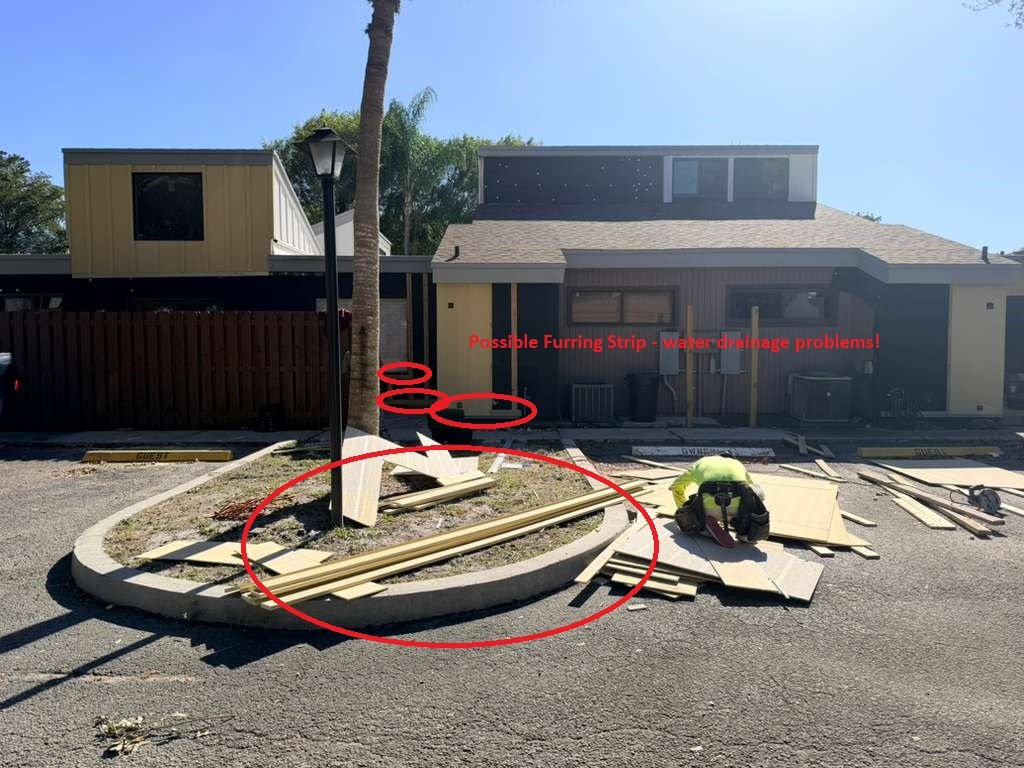
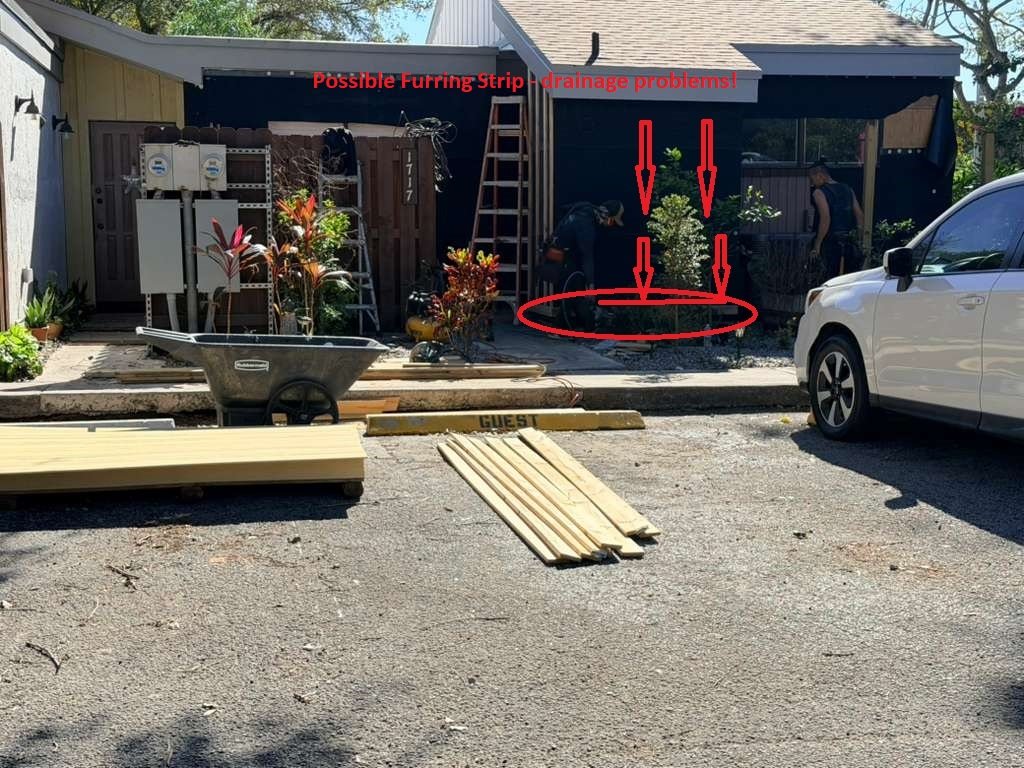
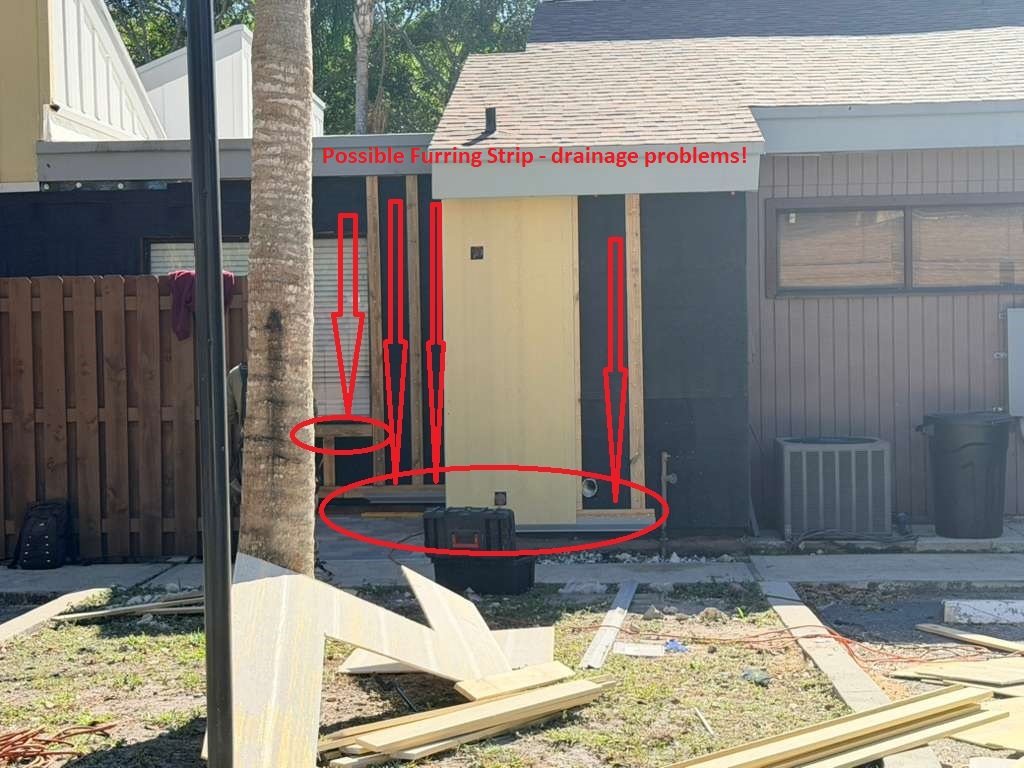
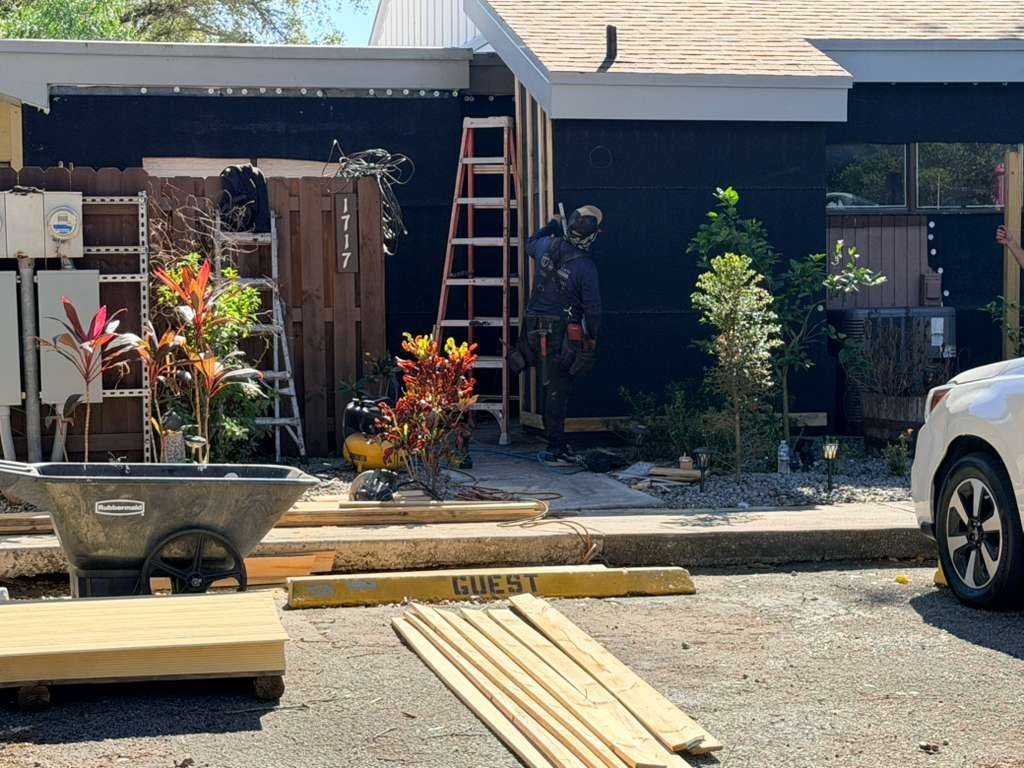
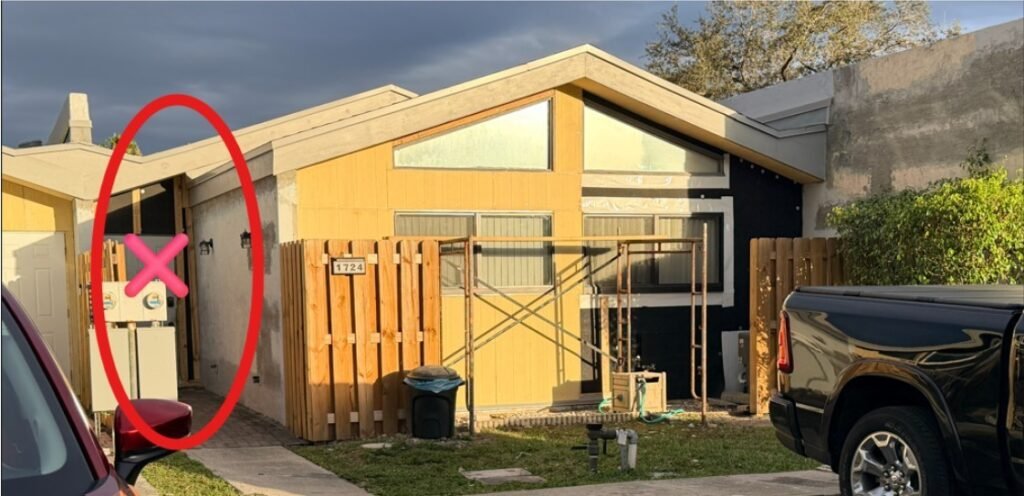
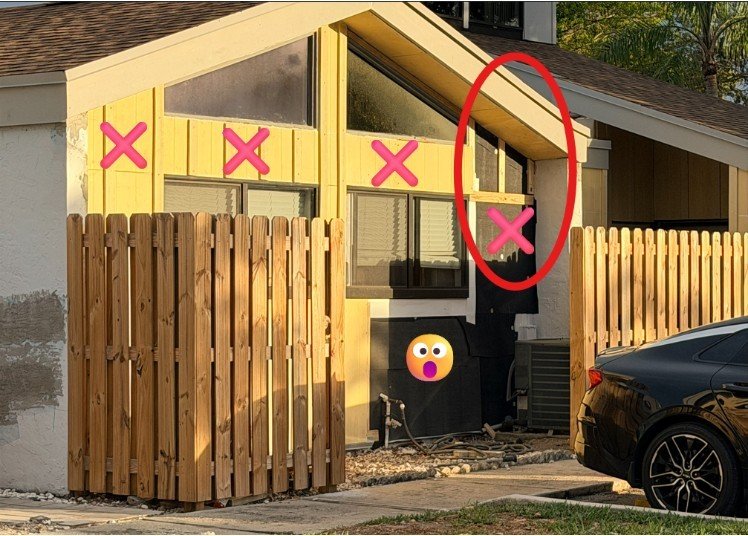
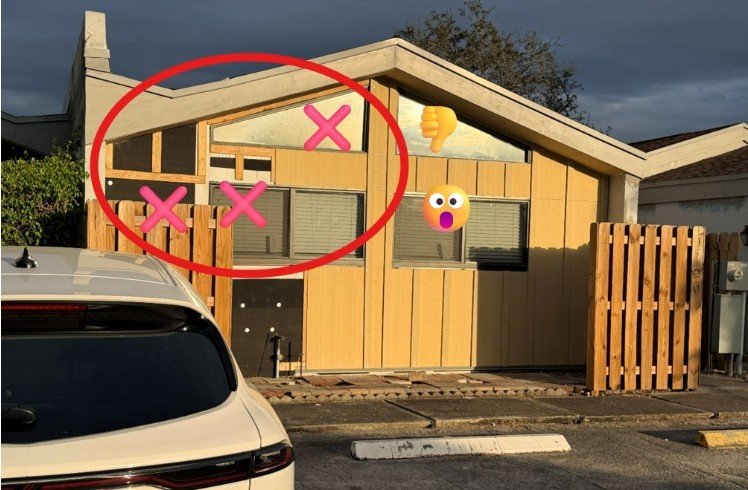
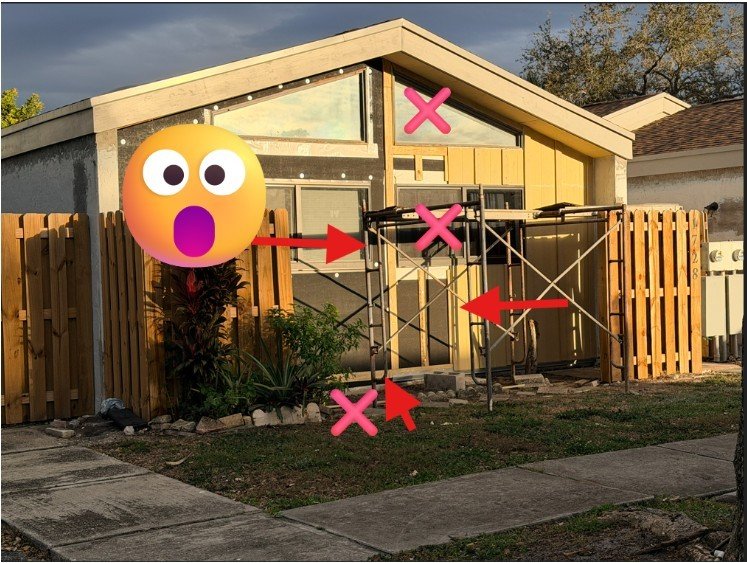
This message serves as formal notice and record preservation regarding newly obtained photographic evidence documenting construction conditions observed during the final phase of work at Omega Villas Condominium Association.
The attached photographs depict installation practices that raise material questions regarding:
- Construction methodology and building science compliance
- Representations made during arbitration proceedings
- Financial assessment justifications
- Long-term durability and maintenance implications
- Certification readiness claims
These conditions appear NOT addressed, examined, or resolved through the DBPR arbitration process.
What the Photographs Show
The attached images document the installation of horizontal bottom furring strips in wall assemblies currently subject to:
- Active construction completion
- 40-year recertification requirements
- Financial assessment demands on unit owners
- Claims of code compliance and engineering approval
Location: Various buildings across Phases 1-3 Subdivisions during 2024-2026 construction
Context: These furring strip installations were:
- Not listed in the original contract scope for wall composition
- Discovered by owners during 2nd floor construction in 2024-25
- Construction siding materials & window options NEVER voted on by owners despite being material alterations
- Used alleged building code changes to walls (1.5 inches thicker) as justification for mandatory window replacements
- Subject of possible attorney misrepresentation (June 25, 2025 Hollander letter {Link1 & Link2 (NOA support)}claiming NOA “requires” them)
Why This Matters: Building Science Perspective
Independent Professional Commentary
For context on why horizontal furring strip installation raises concerns, recipients are referred to a publicly available educational video by a licensed architect and building science professional explaining moisture management principles:
Video: “Rain Screen Dos and Don’ts” aka Furring Strip Systems
Source: ProTradeCraft (Professional Construction Education)
Link: https://www.protradecraft.com/construction-phase/building-envelope/video/55266862/rain-screen-dos-and-dontsKey Building Science Principles Explained in Video:
1. Drainage and Drying Are Critical to Wall System Performance
- Water that enters wall assemblies must exit quickly
- Prolonged moisture contact with wood components increases deterioration risk
- Wall systems must prioritize drying potential over moisture retention
2. Horizontal Furring Strips Can Create Moisture Traps
- When installed horizontally (parallel to ground), water can be held by surface tension
- Creates potential “reservoirs” where water accumulates rather than drains
- Wood assemblies that retain moisture have reduced drying potential
3. Closely Spaced Furring Members Increase Wetting Risk
- Ganged or tightly spaced horizontal members can trap water between components
- Small gaps become retention zones rather than drainage paths
- Moisture held against wood increases long-term durability concerns
4. Best Practice Emphasizes Quick Water Exit
- Incidental water should drain freely from assemblies
- Vertical orientation typically allows gravity-assisted drainage
- Horizontal elements should not impede downward water movement
Application to Omega Villas Conditions:
The photographs show horizontal bottom furring strips installed across the base of wall assemblies.
Questions raised by building science principles:
- How does water drain past horizontal bottom members?
- Are drainage gaps sufficient to prevent moisture retention?
- Was this configuration reviewed by building science professionals?
- What long-term maintenance implications exist?
- Were alternative drainage-friendly configurations considered?
This reference is provided for general educational and risk-awareness purposes only. It is not offered as a legal conclusion or project-specific determination. It is included to ensure recipients understand why horizontal furring strip configurations warrant careful scrutiny in modern building science.
Context: Why This Evidence Emerges Now
The DBPR Arbitration Did Not Address Construction Quality
DBPR Case No. 2025-06-1476 resulted in a Summary Final Order that:
- ✅ Addressed narrow procedural window inspection issue
- ❌ Potentially Did NOT examine construction practices or methodologies
- ❌ Potentially Did NOT evaluate furring strip installation appropriateness
- ❌ Potentially Did NOT assess drainage design or moisture management
- ❌ Potentially Did NOT review engineering approval process
- ❌ Potentially Did NOT consider financial timing or assessment justifications
- ❌ Potentially Did NOT examine material alteration vote requirements
- ❌ Potentially Did NOT address possible attorney misrepresentations in June 25, 2025 letter
The arbitration outcome does NOT validate, endorse, or resolve questions about:
- Construction quality
- Building science compliance
- Long-term durability
- Financial representations
- Disclosure obligations to owners or third parties
The Furring Strip Timeline: From Hidden to Exposed
How We Got Here:
2024 – The Discovery:
- Owners discover furring strips during 2nd floor wall construction
- Furring strips were NOT in contract scope for wall composition
- No owner vote held despite material alteration to building envelope
- Installation created 3/4″ – 1.5″ wall thickness increase
2024-2025 – The Justification:
- Wall thickness used to justify mandatory window replacements
- Board claims windows “non-compliant” due to flange misalignment
- Owners never told furring strips CAUSED the alignment problem
January 14, 2025 – The False Narrative:
- Board minutes claim “code changes” required 1.5 inches thicker walls
- Reality: Building code did NOT change for wall thickness
- Reality: Furring strips (not code) caused thickness increase
June 25, 2025 – The Attorney Possible Misrepresentation:
- Attorney Hollander claims NOA “requires” furring strips
- Reality: NOA states furring strips “MAY” be used (permissive) – two NOA plans approved – one plan with furring strips included and one plan that does NOT include furring strips)
- Reality: NOA explicitly allows “alternative” systems designed by engineer
- Potential misrepresentation provided legal cover for unauthorized work
January 2026 – The Physical Evidence:
- Final phase construction reveals horizontal bottom furring strip installation
- Building science concerns about drainage and moisture management
- Questions about long-term performance and durability
- No evidence these concerns were addressed in design or approval process
Why Institutional Recipients Must Take Notice
Once Notice Is Provided, Continued Reliance on Incomplete Representations Becomes Institutional Responsibility
For Regulatory and Oversight Agencies:
- You are now on actual notice of documented construction conditions
- Arbitration closure does NOT resolve building science or financial concerns
- Material questions exist about representations, approvals, and compliance
For Financial Institutions and Insurers:
- Construction methodology questions may affect long-term property value
- Moisture management concerns have insurance and liability implications
- Assessment justifications based on these installations warrant review
- FHA loan exposure may exist if construction practices are questioned
For Municipal and Certification Stakeholders:
- 40-year recertification involves these wall assemblies
- Building envelope performance affects certification validity
- Drainage and moisture management are core building code concerns
- City of Plantation Building Department involvement in approvals
For Media and Public Accountability Organizations:
- Photographic evidence documents what was hidden from owners
- Pattern of non-disclosure continues through construction completion
- Financial burden on 128 families based on undisclosed installation methods
- Oversight system failure allowed unauthorized work to proceed
The DBPR System Failed This Community
What DBPR Arbitration Could Have Examined But Didn’t:
Construction Quality Review:
- Appropriateness of furring strip installation methodology
- Drainage design and moisture management considerations
- Engineering approval process and documentation
- Compliance with building science best practices
Financial Timing and Justification:
- Whether assessments based on these installations are properly authorized
- Whether owners were given material information about construction methods
- Whether cheaper or more appropriate alternatives were concealed
Material Alteration Vote Requirements:
- Whether furring strips constitute material alteration requiring owner vote
- Whether Board operated outside its authority
- Whether owners’ statutory rights were violated
AttorneyPossible Misrepresentation:
- June 25, 2025 Hollander letter potentially misrepresenting NOA requirements
- Coordination of potential false narratives to justify unauthorized work
- Potential professional misconduct enabling construction without proper authorization
DBPR arbitration addressed NONE of these issues.
The Summary Final Order resolved a narrow procedural dispute while leaving substantive construction, financial, and governance concerns unexamined.
This Is Why Administrative Review Has Limits
DBPR arbitration cannot:
- Validate construction quality or building science compliance
- Resolve engineering professional responsibility questions
- Determine attorney misconduct or misrepresentation
- Address potential fraud or coordinated schemes
- Examine long-term financial impacts on owners
- Review systemic governance failures spanning 18+ years
These issues require:
- Building science expert review
- Engineering professional evaluation
- Attorney disciplinary proceedings
- Criminal fraud investigation (if warranted)
- Civil litigation for financial recovery
- Legislative reform to prevent recurrence
Administrative arbitration was never designed to address what appears to be a coordinated, multi-year scheme involving vote evasion, cost inflation, professional misrepresentation, and construction methodology concerns.
Record Preservation and Institutional Notice
This Communication Is Intended To:
1. Preserve the Record
- These conditions have been formally disclosed to all relevant parties
- Photographic evidence is date-stamped and preserved
- Independent building science educational resources provided for context
2. Ensure Transparency
- Owners, authorities, lenders, and insurers have equal access to evidence
- Final construction and certification phase documented in real-time
- No party can claim lack of notice regarding these conditions
3. Enable Independent Review
- Recipients can take whatever action or review they deem appropriate
- Building science professionals can evaluate installation methodology
- Financial institutions can assess property value and loan implications
- Oversight authorities can determine if further investigation warranted
4. Establish Institutional Responsibility
- Once notice is given, silence does not negate notice
- Continued reliance on incomplete representations becomes knowing reliance
- Institutions cannot claim ignorance of documented conditions
What Happens Next
For Omega Villas Owners:
You are paying for construction that includes installation methods that raise building science concerns about:
- Long-term moisture management
- Durability and maintenance costs
- Potential for accelerated deterioration
- Insurance and liability implications
The HOA owners were never:
- Told furring strips would be installed
- Given opportunity to vote on material alteration
- Shown building science analysis of installation method
- Offered alternative construction approaches
- Informed of long-term maintenance implications
You now have:
- Photographic evidence of installation conditions
- Independent building science educational resources
- Documentation that these concerns were never addressed in arbitration
- Record that all relevant institutions have been notified
For Oversight Authorities:
The pattern is documented:
- Construction installed without owner authorization
- Installation method raises building science concerns
- Attorney provided potential false legal justification (NOA potential misrepresentation)
- Board manufactured potential false “code changes” narrative
- Financial assessments based on undisclosed and questionable installations
- DBPR arbitration potentially failed to examine substantive issues
The question is no longer “did this happen?”
The question is: “What are you going to do about it?”
For Financial Institutions:
Your collateral includes wall assemblies with:
- Furring strip installations that may affect long-term performance
- Moisture management questions documented by building science professionals
- Construction methods that were not disclosed to owners
- Financial assessments based on installations that raise durability concerns
Your exposure includes:
- FHA loans on properties with questioned construction
- Potential property value impacts from long-term performance issues
- Insurance implications if moisture-related claims arise
- Reputational risk if systematic construction concerns emerge
You have been formally notified.
The Bigger Picture: Why Reform Is Needed
This case demonstrates why HOA/condo oversight reform is critical:
Current Potential System Failures:
1. DBPR Arbitration Is Too Narrow, in my opinion:
- Cannot examine construction quality
- Cannot address coordinated schemes
- Cannot review professional misconduct comprehensively
- Leaves substantive issues unresolved
2. Owner Voting Rights Are Not Protected
- Material alterations proceed without votes
- Oversight agencies don’t enforce requirements
- Boards operate with impunity
- Attorneys provide cover for violations
3. Construction Oversight Is Inadequate
- Undisclosed installations proceed
- Building science concerns ignored
- Long-term implications not considered
- Owners pay for questionable methods
4. Professional Accountability Is Lacking
- Engineers change opinions without explanation
- Attorneys potential misrepresent legal requirements
- Contractors deviate from contract scope
- No consequences for coordination
5. Financial Extraction Is Enabled
- Unauthorized assessments proceed
- Cheaper alternatives concealed
- Manufactured crises justify costs
- Owners have no recourse
This pattern exists in communities across Florida and nationwide.
Omega Villas is not unique. It’s just well-documented.
Closing Statement
Once material conditions are disclosed, silence does not negate notice.
Every recipient of this communication is now on formal notice of:
- Photographic evidence of horizontal furring strip installation
- Building science concerns about moisture management and drainage
- Pattern of non-disclosure and vote evasion
- Potential Attorney misrepresentation of NOA requirements
- DBPR arbitration’s failure to examine substantive issues
- 18+ years of systematic governance failures
What you do with this notice is your institutional responsibility.
Additional documentation will be provided as it becomes available.
Respectfully,
Shawn Martin, MBA
Cancer Survivor | Homeowner Since 2007 | Elected Board Member | Whistleblower
Omega Villas Condominium Association
📁 Complete Evidence Archive:
www.HOAJusticeNow.comKey Exhibits Referenced:
- Furring Strip Photographic Evidence (NEW – January 2026)
- Building Science Educational Video (ProTradeCraft)
- June 25, 2025 Hollander Potential NOA Misrepresentation Letter
- January 14, 2025 Board Minutes (False “Code Changes” Claim)
- DBPR Arbitration Summary Final Order (Case No. 2025-06-1476)
- 18+ Years Board Minutes Compilation
- Complete Timeline: Furring Strips Discovery to Present
- Watchdog Email dated February 12, 2026
- Building Science Video Reference Link
- DBPR Summary Final Order
- Attorney Hollander June 25, 2025 Letter
- January 14, 2025 Board Minutes Excerpt
- Horizontal Furring Strip Installation Photographs (Multiple Locations):
Phase 1 Subdivision Photos:
Phase 2 Subdivision Photos:
P.S. — To Building Science Professionals, Engineers, and Construction Experts:
If you review the attached photographs and have professional concerns about the installation methodology, drainage design, or long-term performance implications, your independent expert opinion would be valuable for:
- Owner awareness and informed decision-making
- Regulatory review and oversight
- Financial institution risk assessment
- Public accountability and transparency
Contact: www.HOAJusticeNow.com
Recipients previously blocked from communications are included via alternative distribution to ensure preservation of record and notice.
Once notice is given, institutional responsibility begins.
END OF ADVISEMENT