
Likely Violation Highlights Based on 2+ Year Case Study Investigation
1. THE PAPER TRAIL WAS EVERYWHERE (2011-2025)
They documented their own knowledge of the law, then LIKELY violated it:
- ✅ 2011-2012 minutes acknowledging 75% vote requirements for windows/siding
- ✅ 2018-2023 minutes showing same legal reminders from multiple attorneys/architects
- ✅ 2023-2025 meeting videos with contradictory stories
- ✅ Engineer statements changing from “caulking” to “must replace”
- ✅ Construction “mysteries” resolved only after owners discovered them
14+ years of documented evidence that they KNEW the law and ignored it.
2. THE SCHEME DEPENDED ON NOBODY READING ANYTHING
They assumed owners wouldn’t check:
- ❌ The minutes
- ❌ The statutes (§718.113, §718.116, etc.)
- ❌ The contracts
- ❌ The construction specifications
- ❌ The wall measurements
- ❌ The Declaration (windows = owner responsibility)
Fatal flaw: They built the entire operation on owner ignorance.
3. THE STORY CHANGED TOO MANY TIMES
Real compliance doesn’t require six different excuses:
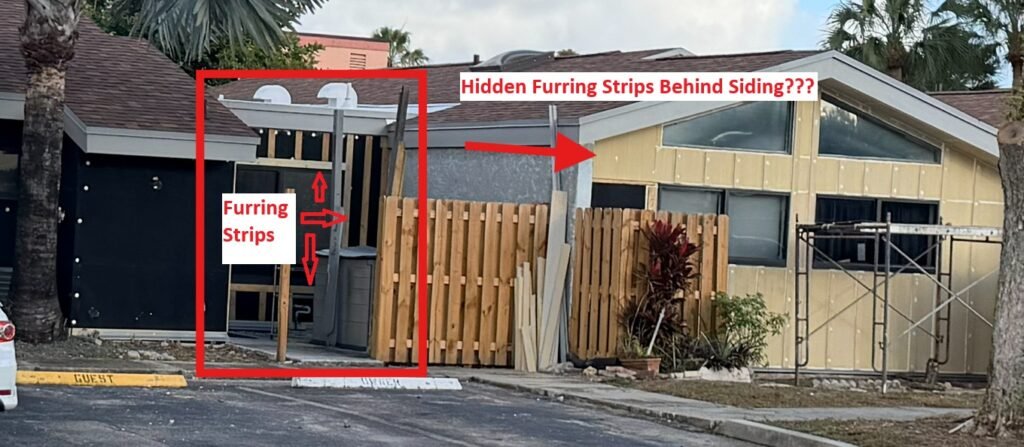
Timeline Story Reality 2018-2022 "Windows just need caulking" Engineer Farrukh's original assessment 2023-2024" City requires window replacement "FALSE - no such requirement 2024" Engineer says replacement mandatory" Then engineer back tracks 2024-2025" Walls are thicker because... materials? "Then owners find hidden furring strips 2025" It's for hurricane safety" Still requires owner vote per §718.113(5)Dec 2025"Non-compliant windows per engineer" Contradicts 2018-2022 statements
A lie that keeps evolving is a confession with extra steps.
Attorney Hollander’s Apparent Alleged Misrepresentation of NOA Documents (June 25, 2025)
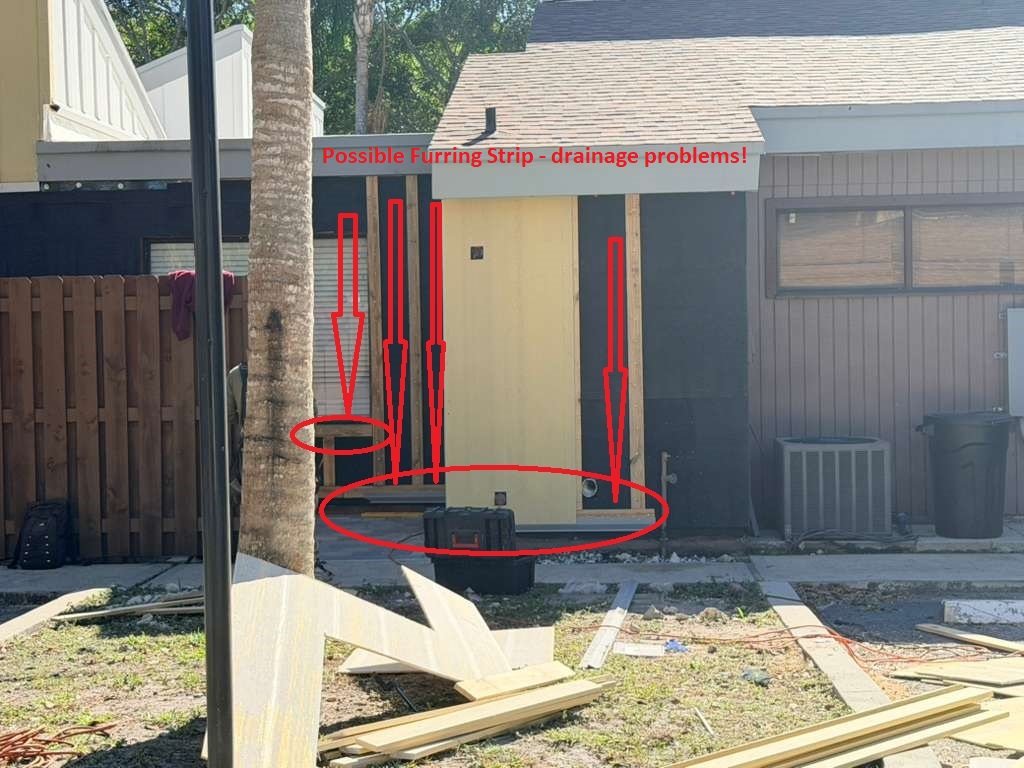
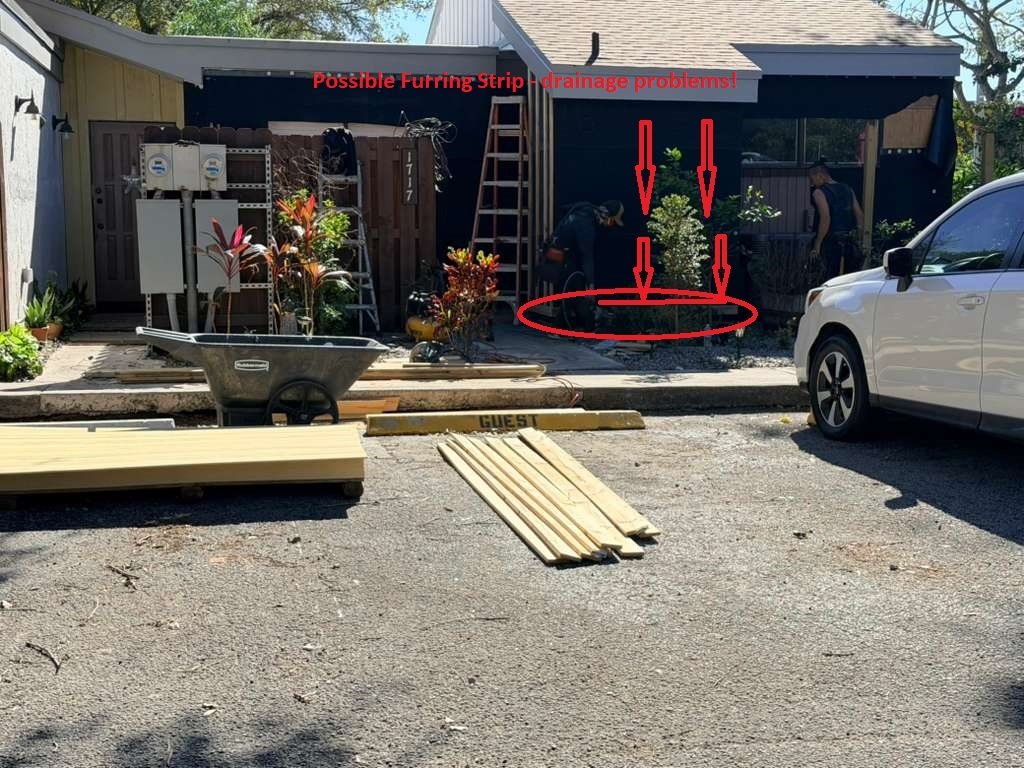
The Furring Strip Apparent Cover-Up
In a June 25, 2025 demand letter, Attorney Rhonda Hollander appears to have made several demonstrably false statements to justify the unauthorized furring strip installation that created the window replacement crisis.
📄 View Full Hollander Letter with NOA (June 25, 2025)
CLAIM #1: NOA “Requires” Furring Strips
What Hollander Wrote:
“The original contract with Austro incorporated the Hardie Board System. The enclosed certified NOA reflects that the system being used requires (furring strips) for 1st and 2nd Floor Walls composition as part of that system and is certified by the company supplying the materials.”
The Reality:
- ❌ The NOA (Notice of Acceptance) document has alternative configurations other than the one selected with furring strips
- ❌ “REQUIRED” is requirement language – but it is for configurations that include furring strips
- ❌ There is an alternative NOA for Hardie Board that includes installation with NO furring strips
- ❌ Hollander appears to have allegedly deliberately misrepresented the series of NOA Hardie Board configurations that may be used
“Hollander Claims NOA ‘Requires’ Furring Strips – But NOA Allows Alternatives”
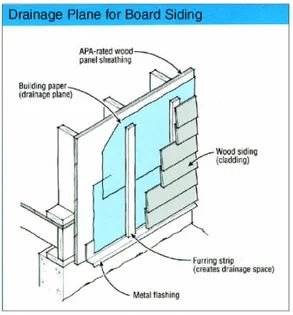
The NOA explicitly states: “Alternative fastening schedule or furring material shall be designed by the architect or engineer of record.” This means the engineer (Farrukh) could have designed an alternative system without furring strips. Hollander’s claim that furring strips were “required” is misleading – they were one option, and alternatives were explicitly allowed by the NOA.
It appears to tie the alleged misrepresentation directly to the physical construction in the real world, which is the whole theme of the page.
This NOA-Approved System Uses NO Furring Strips
And here’s the part the Board really hoped no one would ever catch: the NOA series includes a configuration with no furring strips at all, where Hardie Board attaches directly to 5/8″ plywood sheathing over the wood framing. This is an approved, compliant installation that preserves the original wall depth and aligns cleanly with existing window frames. If they had used this configuration — which the NOA explicitly allows — the entire “your windows no longer fit” narrative collapses instantly. Their own chosen system created the problem they later used as the excuse.
The contract’s written wall scope proves the Board originally selected the NOA-approved Hardie Board system that attaches directly to weather stripping over the 5/8″ plywood — a configuration with no furring strips. Furring strips do not appear anywhere in the first or second floor scope. This means the furring strips were allegedly added later, off-scope, without disclosure, without a change order, and without owner approval. The fact that the contract itself follows the “no furring strip” NOA configuration makes Hollander’s claim that furring strips were ‘required’ factually impossible and suggests the attorney was defending a construction change that never received legal authorization.
NOA Approval Letter for No-Furring Strip System Configuration:
This is still alleged attorney misrepresentation – just a more nuanced one!
CLAIM #2: “No Material Alteration Vote Required”
What Hollander Wrote:
“No material alteration vote was required for this system as the case law is clear that where an alteration or addition is necessary to maintain or preserve the common elements, it is exempt from the requirement of unit owner approval.”
The Reality:
- ❌ Board’s own minutes from 2011-2023 repeatedly acknowledge siding changes ARE material alterations requiring 75% owner vote
- ❌ Multiple attorneys and architects told the Board this across 14+ years of meetings
- ❌ The “necessary maintenance” exception doesn’t apply when choosing the MOST EXPENSIVE option without disclosing cheaper alternatives
Why This Matters: Hollander’s claim directly contradicts 14 years of the Board’s own documented acknowledgment that they knew votes were required. This isn’t a legal interpretation dispute – this is contradicting the client’s own written records.
November 7, 2023 Board Minutes:
- Austro has already obtained the roof materials and Hardie board. Impact windows will be ordered when the homeowner commits to purchasing from Austro. Lead time for window/door purchase is 4 to 6 weeks. Most of the workers are employees of the company, not subcontractors
- Jay Pietrafetta explained the material alterations will be voted on by phase and need 75% of the owners to vote. Money can be saved by removing and not replacing the trellises, wood banding and decorative beams. Color preferences can also be voted on. If 75% response is not received, the paint colors will remain as they currently are and the trellises, banding and beams will be replaced at a cost of approximately an additional $4400.00 per unit (Note: Windows, doors, sliding doors and siding materials are removed from material alterations – with no apparent 75% vote as mentioned above.)
March 21, 2023 Board Minutes:
- Levy Horvath brought a sample of how the outer walls would be constructed with Tyvek, plywood, 30 # roofing material (for additional waterproofing), and Hardie board. This would exceed the requirements of the City of Plantation, Broward County, and Florida codes.”
- “Items that may need the unit owners’ votes to make a material change include:
- Trellises – remove or replace and with what material, or eliminate
- Window / door banding – remove or replace with stucco or replace with Hardie board, or eliminate
- T-111 – replace with Hardie board, stucco or T-111.
- Mr. Sayeed will need to review the contract prior to the Association’s attorney’s review to ensure that the scope of the contract matches the scope of work from the engineering report.
- The contract needs to be forwarded to the Association attorney for review prior to signing. Unit owners will need to be notified in advance of the work.
February 12,2020 Board Minutes:
- Farrukah said the architectural drawings have been completed for phase 1, 2, and 3. All the materials will be the same with only the quantities changing due to the size of each building.
- Farrukah made the following suggestions:
- All roofs will be replaced including flashing, gutters and downspouts with shingles on pitched roof and TPO on flat roofs.
- Use DensGlass as a base for stucco instead of plywood which will reduce the possibility of rotting. The cost is almost the same for plywood vs. DensGlass
- Windows not replaced due to costs but will be resealed and caulked with composite trim instead of wood trim.
- Loose fence boards will be repaired; missing fences will be replaced as will the trellises.
March 20, 2019 Board Minutes:
- 40-year Certification/Restoration and Architect Drawings – Stan Schachne, architect, presented information about the upcoming project, focusing on Phase 1:
- Buildings were built with 2×4 studs which are no longer code; will have to bring up to code by installing 2×6 studs
- Exterior walls only have 2×4 studs covered by T-111 on exterior and drywall on interior
- Plan is to reinforce studs, install plywood and then finish as voted on by the residents (possible options include stucco, Hardy board, T-111)
- Studs will be doubled up on the windows and doors
- End walls of the buildings and the interior walls between the units were built with concrete blocks
- Cost analysis shows stucco is $7.00 to $8.00 per square foot cheaper than T-111 and is termite and rot resistant
- Roof repair/replacement will include removing all layers of roofing, correcting the wires and pipes on the roofs and replacement
- Electrical meters will be replaced and may need new conduit or wiring
- Generators will be brought in to insure residents’ comfort during electrical upgrades
- Air conditioning electrical may not be up to code
- Windows are old and are not efficient; may need to be replaced
- Jay Pietrafetta said building 6 in Phase 1 will be used as a test to determine the extent of the repairs. The homeowners will need to vote on the type of siding, color of the exterior paint, and possibility of installing impact windows or hurricane shutters
August 21, 2019 Board Minutes:
- Material Change Voting – List of Items for Mailing
- Items to be included list that will need homeowner votes are paint, windows, trellises, and material on outside walls. Front fencing is not considered a material change if a barrier such as shrubs are in place.
November 29, 2018 Board Minutes
- Architect Drawings – Bids were received and reviewed by the board. Blaire Lapides made a motion to accept the bit from Stanley N. Schachne Architect, P.A., Patty Sabates seconded the motion, all were in favor.
- SM was directed to obtain impact window and hurricane shutter samples with potential costs for them as well as cost to change exteriors to stucco vs. replacing T-111.
July 25, 2018 Board Minutes
Present were Board Members Patty Sabates and Blaire Lapides, and representing Sunrise Management (SM), Jay Pietrafetta. Chris Trapani was absent.
- Structural:
- Buildings have not been maintained
- Flat roof is bad with broken gutters
- T-111 is rotted and structure behind is probably also rotted
- Joists/beams that are cracked need to be sister or replaces
- Fasteners on sliding glass doors need replacing
- Fences need replacing
- Cracked stucco need repair
- Concrete pads and wood spacers need repair/replacement
- Windows need caulking
August 15,2011 Board Minutes:
Present were Norma Aker, Blaire Lapides and Patsy Cates and representing All Florida Management Service, Joel Gould.
Patty Sabates was absent.
- Major repair update – Joel McTague provided information on the following:
Replacing T-Il1 with stucco would require approval from 75% of the homeowners
Installing hurricane impact windows would also require approval from 75% of the homeowners
For mortgages prior to 2007, the mortgage holder must be notified and given 60 days to respondMay 17, 2010 Board Minutes:
- New Business:
- A. Discussion of amendments on owners buying to rent and
- B. Discussion to consider and amendment to require simple majority (50% + 1) vote vs. 2/3 majority vote – A general discussion was held to determined where the directors stood and if this was something that should be pursued.
Supporting Files: 1) https://hoajusticenow.com/wp-content/uploads/2025/12/40-Year-Recert.-Key-Discussions-SM-v2.pdf & 2) https://hoajusticenow.com/wp-content/uploads/2025/11/2005-2023-Consolidated-BOD-Minutes.pdf
CLAIM #3: The Stucco “Smoking Gun” Admission
What Hollander Wrote:
“Previous arbitration decisions have determined that removal of wood siding… with stucco, fell under the above exception and did not require owner approval.”
🚨 THE SMOKING GUN:
If stucco doesn’t require a vote according to Hollander’s own legal research, WHY DIDN’T THEY USE STUCCO?
The Facts:
- ✅ Stucco: $7-8 per square foot CHEAPER than Hardie Board
- ✅ Stucco: Rot-proof, termite-proof, long-lasting
- ✅ Stucco: According to Hollander, doesn’t require owner approval
- ✅ Stucco: Was discussed in 2019 Board meetings as an option
What They Actually Did:
- ❌ Chose Hardie Board (most expensive option: $14-16/sq ft)
- ❌ Never disclosed stucco option to owners
- ❌ Never held vote on siding material
- ❌ Owners could have saved hundreds of thousands to over $1 million
Why This Is the Smoking Gun: Hollander just admitted in writing that stucco was a legal, vote-free option that didn’t require owner approval. Yet they chose the most expensive alternative and hid the cheaper option from owners. This proves they KNEW cheaper options existed and deliberately concealed them to maximize costs.
CLAIM #4: “Original Agreement” / “No Change Orders”
What Hollander Wrote:
“Since this was the original agreement, which was approved by the Engineer of Record, Farrukh Sayeed, S.I. P.E., CGC, MBA, MIS, there were no change orders and so we have no answers to your request for rationale etc.”
The Reality:
- ❌ Furring strips were NOT listed in the original Austro contract scope for wall composition (first or second floor walls)
- ❌ Adding materials not in the contract specification IS a change – they simply didn’t document it as a change order
- ❌ Contract review shows wall composition materials listed – furring strips absent
📄 View Austro Contract – Wall Composition Specifications
Why This Matters: Claiming “no change orders” when undocumented construction changes occurred is a method to avoid accountability. If it was in the “original agreement,” why isn’t it in the contract? If it’s not in the contract, it’s a change.
CLAIM #5: Board Claims “Statutory Code Changes” Caused Wall Thickness
The Narrative in 2024-2025 Board Meetings: The Board claimed “statutory changes in code” required thicker walls.
The Reality:
- ❌ Building code for wall thickness DID NOT CHANGE between 2018-2025
- ❌ Contractor Dorin stated in June 2025: “2×4 studs are fine, code hasn’t changed”
- ❌ The furring strips caused the wall thickness increase – not code
What the Official Approved January 14, 2025 Board Meeting Minutes State
The January 14, 2025 approved Board Meeting Minutes independently confirm the false “code-change” narrative Attorney Hollander appeared to rely on to justify the hidden furring strips. In Section 8, the Board claimed that “new code requirements” for T-111 buildings required additional plywood and materials that “brought the structure out about an inch and a half.” This statement is verifiably false. Building code did not change between 2018–2025 in any way that required thicker walls. Contractor Dorin later stated to whistleblower: “2×4 studs are fine, code hasn’t changed.”
The minutes show the Board used fabricated “code changes” to explain the exact wall expansion created by unauthorized furring strips that were never listed in the contract scope, never voted on, and were physically discovered only after owners exposed them. This creates a direct pattern:
- Board creates false code narrative (Jan 2025)
- Attorney later cites NOA requirements to defend the same unauthorized work (June 2025)
- Both narratives attempt to blame “code” instead of the concealed construction change
These minutes are critical evidence showing a coordinated, documented attempt to manufacture a justification after the fact — not an error, but a deliberate cover story.
Why This Matters: This appears to be a coordinated false narrative between Board and attorney to:
- Justify unauthorized furring strip installation
- Manufacture excuse for window replacement mandates
- Shift blame from their hidden changes to “code requirements”
- Provide legal cover through alleged attorney misrepresentation
Official Approved January 14, 2025 Minutes
What This Appears to Demonstrate
Potential Attorney-Assisted Fraud:
Attorney Hollander appears to have provided legal cover for unauthorized construction by:
- ❌ Potentially misrepresenting NOA having multiple approved configurations for Hardie Board – one with furring strips and one with NO furring strips
- ❌ Potentially Citing cheaper options as legal precedent (stucco) while concealing those options from owners
- ❌ Potentially Contradicting the Board’s own documented knowledge that votes were required (2011-2023 minutes)
- ❌ Possibly Falsely claiming undocumented construction changes were part of “original agreement”
- ❌ Possibly Coordinating false “code changes” narrative with Board to justify unauthorized work
This appears to elevate the matters from Board misconduct to possible coordinated attorney-client scheme to bypass owner voting rights and maximize financial extraction.
The Documents – Judge For Yourself
Attorney Letters & Your Management Services Demand Letters:
(Plus Whistleblower’s Glantz Law Attorney Responses)
- 11.26.25 YMS Windows SA Letter.pdf
- 8.25.25 Hollander Certified Demand Letter.pdf
- 8.22.25 Hollander Certified Demand Letter.pdf
- 8.8.25 Hollander Certified Demand Letter.pdf
- 7.31.25 Hollander Demand Letter.pdf
- 7.30.25 Hollander Demand Letter.pdf
- 6.26.25 Martin Glantz Law Demand Letter.pdf
- 6.25.25 Hollander Demand Letter.pdf & NOA Enclosure.pdf (Evidence File)
- 6.16.25 Martin Glanz Law Demand Letter.pdf
Engineer Letters – Fabricated Window Requirements?
- Letter 1, Letter 2, & Letter 3
- Windows Evaluation (7/23/25)
- Lower Window Inspection Letter 7/29/25
- 11.17.25 Sliders Letter.pdf
Critical Question: Why are there multiple engineer letters demanding window replacement in 2025 (after construction substantially complete) when the same engineer said in 2018-2020 windows just needed “caulking”?
And why are there NO such letters for Phase 4, which has the SAME series of windows and sliding doors?
NEW Construction Related Money Grab Requests Coming?
- AGENDA & BOARD MEETING PACKET – DECEMBER 9, 2025 ($58k Tree/Shrub & $179k Pavement Projects Bids?)
- 11.26.25 YMS Windows SA Letter.pdf (Unauthorized and Most Likely Illegal Special Assessment Over Windows & Sliders!)
- OVC Notice and Proxy Form – Phase I (Monthly Maintenance base first projected to jump $200-300 per month.)
- 11.7.25 – 40-Year Revised Final Estimate Phases 1-3 (This must be a new Special Assessment on the Horizon, Not in Annual Budget as a Budget Item?)
Bottom Line
A lie that keeps evolving is a confession with extra steps.
When an attorney:
- Potentially Misrepresents “MAY” as “REQUIRES”
- Cites cheaper options as precedent while possibly hiding them from clients
- Potentially Contradicts the client’s own documented knowledge
- Allegedly claims undocumented changes were “original agreement”
- Allegedly coordinates false narratives about code requirements
That’s not legal representation. That appears to be legal cover for an organized scheme to bypass owner rights and maximize financial extraction.
All evidence has been sent to:
- Florida Bar (attorney misconduct investigation)
- DBPR (Board violations)
- Federal authorities (potential RICO pattern)
- State Attorney (potential criminal fraud)
A lie that keeps evolving is a confession with extra steps.
4. THE PHYSICAL EVIDENCE WAS VISIBLE
You can’t hide construction defects that owners can see:
- ✅ 3/4-1.5 inches of wall thickness increase
- ✅ Furring strips suddenly appearing during 2nd floor construction
- ✅ Misaligned window openings/flanges
- ✅ Missing insulation in pitched roofs
- ✅ 2023 Roof cuts and alterations to Shawn Martin’s roof
- ✅ Work not matching contract specifications
That’s the kind of evidence you don’t talk your way out of – it’s physically there in the buildings.
5. THEY TRIGGERED THE #1 THING THAT EXPOSES HOA SCHEMES: MONEY PAIN
Financial pressure creates motivated investigators:
- 💰 Maintenance fees raised to $1,000+/month
- 💰 Surprise window assessments (now Dec 2025)
- 💰 $125,000+ legal fees in 2025 (not budgeted)
- 💰 $175,000+ additional construction assessments
- 💰 $1M+ in city fines since 2008
- 💰 Hurricane “requirements” without votes
- 💰 Construction cost overruns with no transparency
When people’s homes and savings are at stake, they start asking questions. Fast.
6. THEY RETALIATED INSTEAD OF EXPLAINING
Classic sign of an alleged cornered operation:
If they had a legitimate process, they would have:
- Shown the owner votes
- Produced the engineering reports
- Explained the cost comparisons
- Welcomed transparency
Instead they chose:
- ❌ Public shaming of questioners
- ❌ Intimidation and legal threats
- ❌ Silencing dissent with police presence
- ❌ Rewriting/manipulating minutes
- ❌ Rogue approvals outside meetings
- ❌ Endless “misinformation correction” sessions
- ❌ Retaliating against whistleblower with medical disability
Retaliation is the “I plead the Fifth” of HOA governance.
7. THE SCHEME REQUIRED TOO MANY PLAYERS TO STAY SILENT FOREVER
Coordination across too many parties:
- Management companies (3 different firms over time)
- Board members (same core group 2005-2025)
- Multiple attorneys (Procton, Frank Weinberg Black, Hollander)
- Multiple contractors (Austro, Cavaliere, etc.)
- Engineer (S&D Engineering – Farrukh)
- Accounting/legal networks (Juda Eskew/Carol Eskew)
- Permit/recertification processes
- City interactions
This wasn’t Ocean’s Eleven. It was a sloppy group project where nobody checked the rubric.
Eventually someone:
- Contradicts themselves on video ✅
- Leaves a paper trail ✅
- Slips up in minutes ✅
- Changes their engineering opinion ✅
- Gets caught on the wrong side of a statute ✅
8. THE PHYSICAL EVIDENCE CONTRADICTED THE NARRATIVE
Key contradictions caught on record:
The Furring Strip Discovery
- Claim: Wall thickness changes due to new code requirements
- Reality: Hidden furring strips (not in contract) caused thickness
- Problem: Creates window flange misalignment they then used as excuse for replacements
The Window Story Evolution
- 2018-2020: “Windows need caulking”
- 2025: “Non-compliant windows must be replaced per engineer”
- Problem: What changed? Hidden furring strips created the “non-compliance”
The Siding Selection
- Claim: Hardie Board was necessary
- Reality: Stucco was $7-8/sq ft cheaper, never disclosed, never voted on
- Problem: Owners could have saved $1M+ if given actual choice
The Authority Question
- Claim: Board can mandate window replacements
- Reality: Omega Villas Declaration makes windows OWNER responsibility
- Problem: Board operated outside its legal authority from the start
9. THEY DESTROYED PROPERTY VALUES FOR EVERYONE (INCLUDING THEIR SUPPORTERS)
The financial damage hit ALL owners:
Property Value Impacts:
- ❌ Ignored required legal votes → due diligence red flags
- ❌ Botched construction → appraisal questions
- ❌ Walls that don’t match windows → inspection failures
- ❌ Furring strips trapping moisture → structural concerns
- ❌ $1M+ in city fines → title search problems
- ❌ Multi-year assessments → buyer financing issues
- ❌ Forced owners into panic selling → comps collapse
- ❌ Foreclosure patterns → market stigma
Market Punishment for HOA Dysfunction:
- Buyers Google everything now
- Realtors spread the reputation
- Inspectors flag weird construction
- Lenders pull back on financing
- Values go down
- Time on market goes up
- Offers get lowballed
- Insurance premiums increase
HOA reputation = property values. It’s a direct equation.
Even Board supporters lost equity when the scheme tanked the community’s value.
10. THE VIOLATIONS SPAN MULTIPLE LEGAL CATEGORIES
This wasn’t just “HOA drama” – it’s potential criminal conduct:
Florida Condominium Law Violations:
- §718.113(5) – No owner vote for work on owner-responsibility items (windows/doors)
- §718.112(2)(c) – Improper special assessment procedures
- §718.112(2)(e) – Failure to provide required 14-day notice
- §718.111 – Records access violations and fiduciary duty breaches
- §718.3026 – Material contracts without proper authorization
Potential Criminal Violations:
- Wire/mail fraud (unauthorized assessment notices)
- Elder abuse (targeting retirees on fixed income)
- RICO pattern (17-year coordination, multiple parties, systematic approach)
- Fair Housing Act violations (disability retaliation against whistleblower)
- FHA loan fraud (irregular assessments affecting federally-backed mortgages)
Professional Misconduct:
- CAM violation questions (YMS apparently issuing unauthorized assessments?)
- Attorney conduct questions (Hollander drafting contracts then enforcing them?)
- Engineering inconsistencies (changing opinions without new findings?)
BOTTOM LINE: WHY THEY WERE ALWAYS GOING TO GET CAUGHT
The scheme had too many fatal flaws:
- ✅ Too much documentation – They wrote down their knowledge of the law before violating it
- ✅ Too many contradictions – The story changed too many times
- ✅ Too much physical evidence – Construction defects are visible
- ✅ Too much financial pain – Owners became motivated investigators
- ✅ Too much retaliation – Guilt reveals itself through overreaction
- ✅ Too many participants – Someone was bound to slip up
- ✅ Too much value destruction – Even supporters lost money
- ✅ Too many legal violations – Multiple categories of potential crimes
- ✅ Too long a timeline – 17 years creates a massive evidence trail
- ✅ Too obvious a pattern – Repetition proves intent, not mistake
The only question was: Who would finally notice the pattern, connect the dots, and lay out the receipts?
Answer: A whistleblower who kept every document, recorded every meeting, analyzed every minute, and refused to be silenced despite retaliation, medical challenges, and a 2+ year investigation.
FINAL OBSERVATIONS:
“This wasn’t a governance failure. Documented inconsistencies over multiple years and construction projects have led to financial and structural challenges for owners in the community.’ Even their own allies got financially wrecked. Lower values don’t care if you were Team Patty or Team Reality. Everyone’s equity, comps, appraisal potential, buyer pool, insurance risk, and mortgage strength took a blow. HOA dysfunction spreads like a virus. One bad project? Fixable. Ten years of shady patterns? That’s generational damage.”
Evidence compiled by: Shawn Martin, MBA
Case study duration: 2+ years (2023-2025)
Documentation: 150+ videos, 18+ years of minutes, contracts, engineering reports, owner testimony
Website: www.HOAJusticeNow.com